Wondering whether Lincoln Road Miami Beach is worth your time? Yes: it’s a car-free strip lined with shops, sidewalk cafés and people-watching, and an easy stroll for any visit.
This guide is one stop in the wider list of things to do in miami beach, so use it to plan a single walkable afternoon.
| Item | Value |
|---|---|
| Pedestrian mall grand opening | November 28, 1960 |
| Designer of the mall | Morris Lapidus |
| Original funding | $600,000 in municipal bonds |
| Blocks closed to cars in 1960 | Six blocks |
| National Register of Historic Places listing | May 6, 2011 |
These figures come from Wikipedia’s Lincoln Road entry and The Cultural Landscape Foundation. Figures and listings can change, so check the source before you rely on them.
What is Lincoln Road?
Lincoln Road extends from the Atlantic Ocean in the east to Biscayne Bay in the west, and the district’s own About page calls it Miami Beach’s community epicenter, with shops, sidewalk cafés, galleries, restaurants and bars. The best-known section, Lincoln Road Mall, runs east-west between 16th Street and 17th Street, and its car-free stretch lies between Washington Avenue and Alton Road.
The ocean end of the pedestrian mall is just a couple blocks from the ocean. That makes it simple to pair a beach morning with an evening walk here.
On the road you will find:
- Shops and restaurants: Wikipedia’s entry lists over 200 boutiques, local merchants, national retail stores, and fine restaurants and bars.
- Sidewalk cafés that spill into the walkway, with movable chairs and tables.
- Galleries and public art, including a free monthly Art Walk listed by the district.
- Performing arts: the Colony Theatre and the ArtCenter/South Florida studios are both named in the Wikipedia entry.
A short history of the pedestrian mall
The road has gone through several lives, from mangroves to luxury shopping, decline and revival. These are the key dates from the sources:
- 1912: Carl Fisher cleared a strip of the mangroves from the Atlantic side of the island to the Biscayne Bay side.
- 1960: Morris Lapidus designed the mall, funded with $600,000 in municipal bonds, and it had its grand opening November 28, 1960.
- 1980s: The street hit bottom, like many pedestrian malls.
- 1990s: Miami Beach and Lincoln Road gentrified, according to Commercial Observer.
- 1997: Martha Schwartz replanted native sabal palms and renovated the fountains.
- 2010: An additional block designed by Raymond Jungles was added to the west.
- 2011: The road was added to the National Register of Historic Places on May 6, 2011.
Lapidus defended the car-free idea. Anecdotally, he is quoted as saying, “I designed Lincoln Road for people – a car never bought anything.”
Shops, cafes and culture along the road
The shopping has changed with the decades. In the early years the road featured premium names such as Bonwit Teller and Saks Fifth Avenue, and by the 2010s Apple, Nike and Starbucks opened locations along the road.
Success brought high costs. Commercial Observer reports that rents had soared to $350 a square foot, and the independent bookstore Books & Books, which opened on the street in 1989, closed its Lincoln Road location in early 2020. Expect a mix of national brands and a smaller number of independents.
For culture, the district lists a free recurring Art Walk. Its events menu also shows a Farmer’s Market and an Antique Market, but dates change, so check the events calendar before you go.
If architecture interests you more than shopping, the art deco historic district miami beach guide is a natural next read.
How to do the people-watching
The Project for Public Spaces says that people watching is perhaps the most popular activity on Lincoln Road, and that the main attraction is the people. Its entry is an older nomination that the organisation notes may have changed since, so treat it as background rather than a current report.
A few simple habits make the most of it:
- Pick a sidewalk table: the restaurants and cafes that line the mall have adopted Lapidus’s spaces with movable chairs and tables.
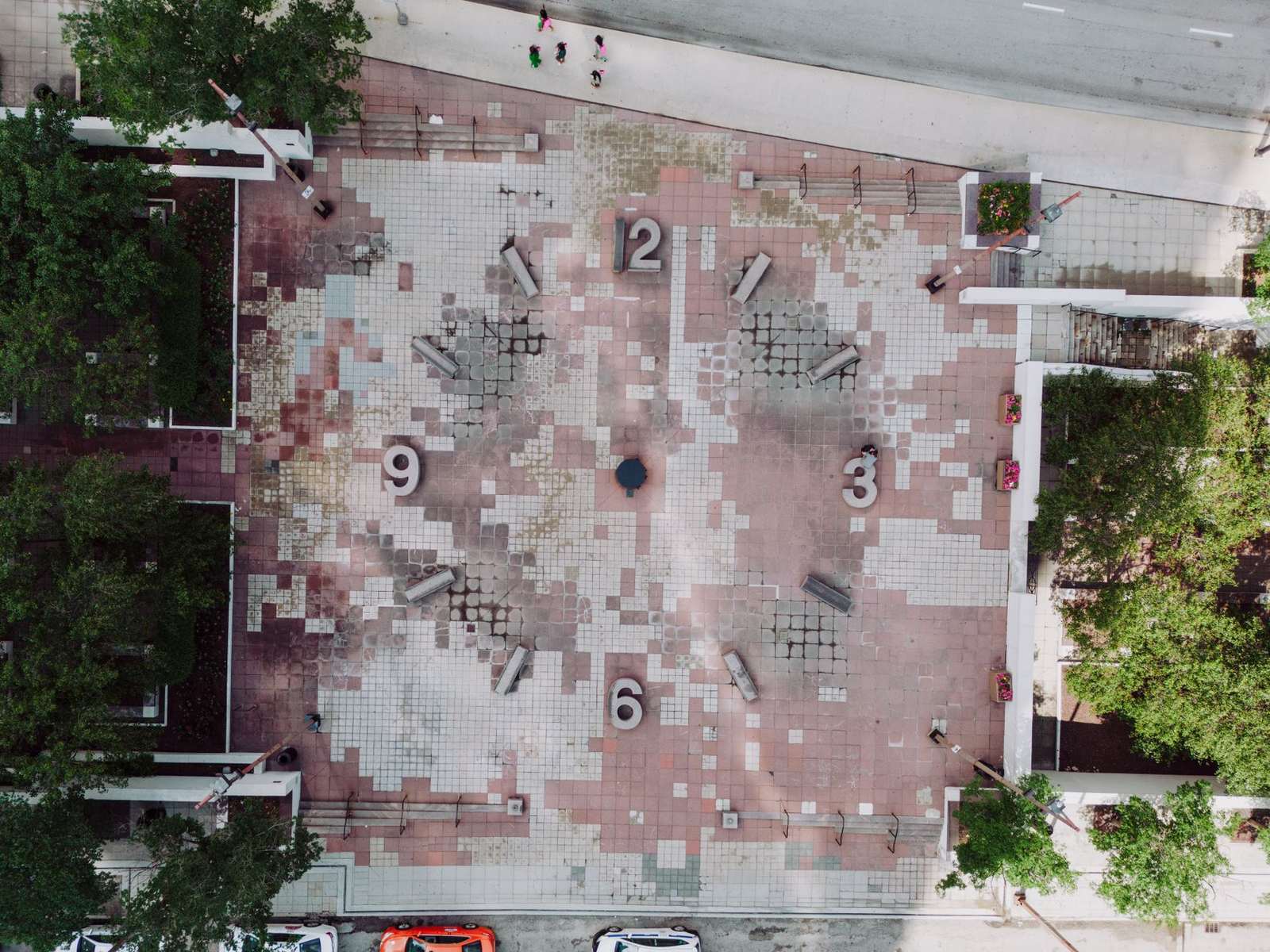
- Walk the length once to see the planters, fountains and black and white striped floors designed by Lapidus.
- Time a coffee, an ice cream or a wait for a movie ticket as your viewing break, since the same entry names these as people-watching moments.
- Look for shade: Lapidus’s design includes open-air shade structures and arbors.
The same entry describes an incredibly diverse range of people, including locals, tourists and families. That mix is much of the fun.
Why has Lincoln Road lasted when other pedestrian malls closed?
In the 1960s and 1970s, planners turned many commercial strips into car-free malls, and most failed. Cornell’s Stephan Schmidt analyzed more than 120 pedestrian malls and found barely 40 still existed.
Schmidt says Lincoln Road fits the pattern for survivors: a tourist destination, close to a beach, with above-average sunny days and high population density. Its one drawback is length, because Lincoln Road is some 3,000 feet long while many surviving malls cover less than 1,000 feet.
The road is also set to change. The district’s About page describes a master plan with James Corner Field Operations, the firm behind The High Line in Manhattan, including more public seating, spaces for art installations and refreshed paving. Check the district’s site for the latest timing.
Planning your visit
- Location: the district says Lincoln Road is minutes from downtown Miami, Brickell area and Miami International Airport.
- Parking: the older Project for Public Spaces entry says you can park in one of the lots or garages adjacent to the road and walk; confirm current options on the district’s parking page.
- Timing: plan around the monthly Art Walk if you like galleries, or go at another time for quieter strolling.
- Heat: the same entry notes that even in the sweltering heat people prefer to eat outdoors, so bring sun protection and plan for shade.
Travelling with children? The notes on miami beach with kids can help you fit this walk into a family day.
Frequently asked questions
Is Lincoln Road closed to cars?
Show answer
The pedestrian mall is car-free, and the Project for Public Spaces entry says cars appear only at intersections where avenues cross it.
Who designed Lincoln Road Mall?
Show answer
Morris Lapidus designed the mall, according to The Cultural Landscape Foundation. Martha Schwartz later replanted it in 1997, and Raymond Jungles designed the block added in 2010.
Is Lincoln Road a historic site?
Show answer
As of the National Register listing on May 6, 2011, Lincoln Road Mall was added to the National Register of Historic Places.
What is the Art Walk?
Show answer
The district lists an Art Walk on the third Thursday of every month, free. Check the events calendar for the current schedule.
Where exactly is it?
Show answer
The pedestrian mall runs between 16th Street and 17th Street, from Washington Avenue to Alton Road.