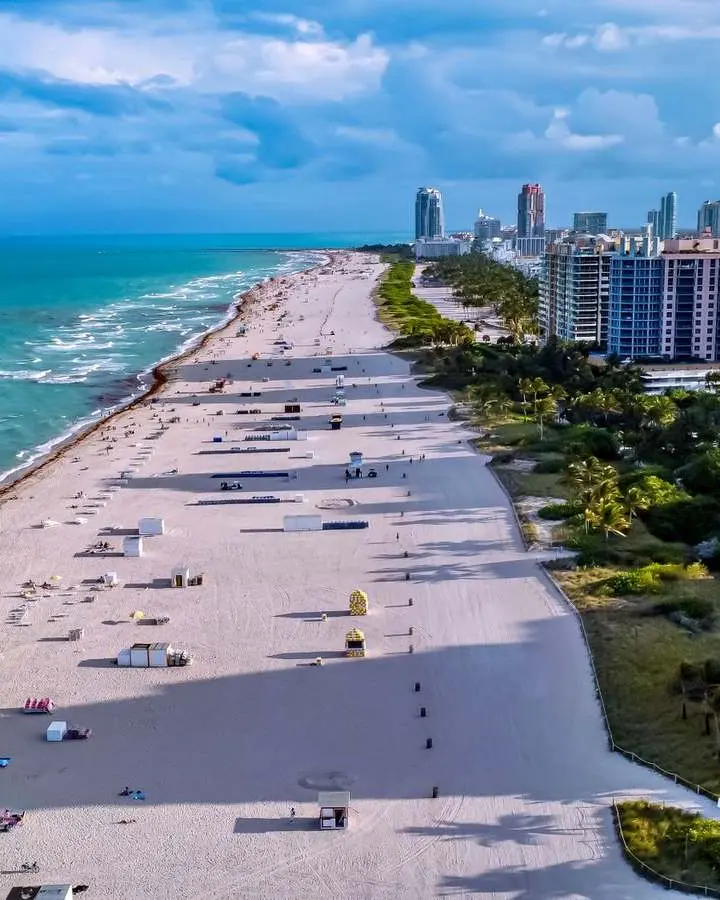
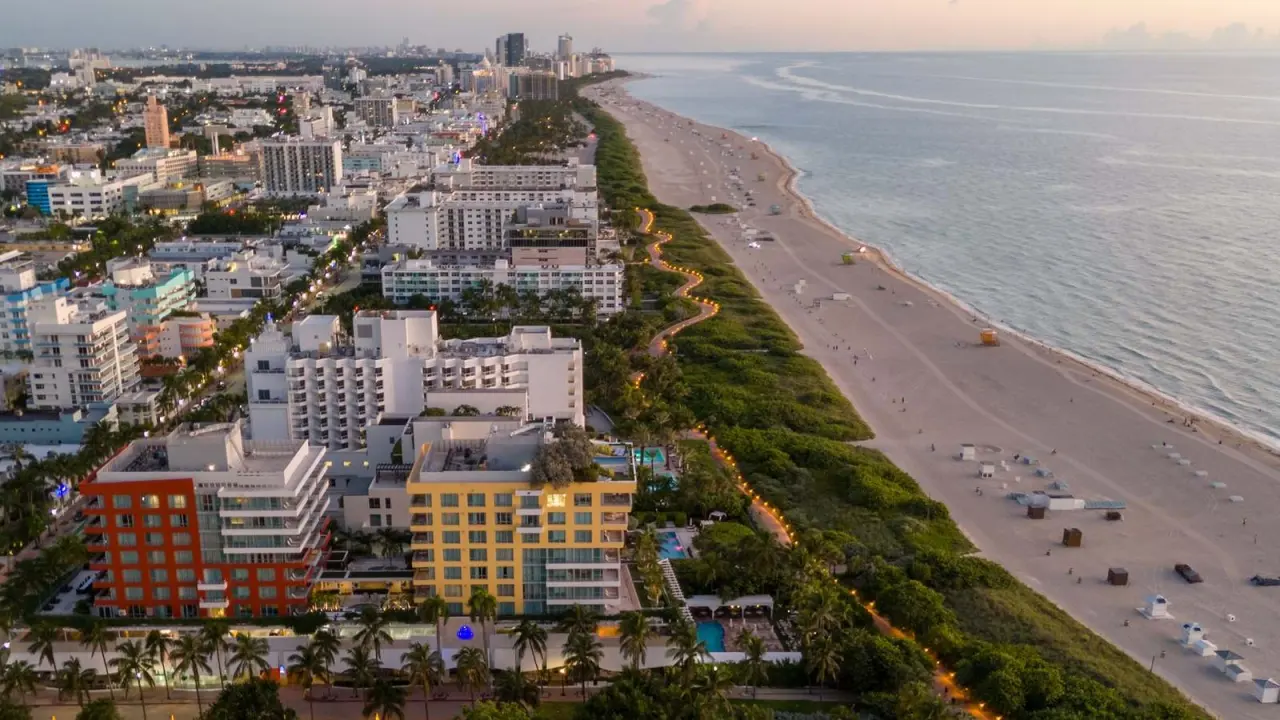
Living in Miami Beach means sharing a barrier island with sunshine and a storm season. You can plan for it: learn the season’s dates, the flooding habits and the help the city offers residents.
| Item | Value |
|---|---|
| Hurricane season | June 1 to November 30 each year |
| Typical peak of the season | Late August to mid-October |
| Last direct hurricane hit, per the city | 1926 |
| Reopening to visitors after Hurricane Irma | Two days |
| Minimum emergency supplies | Three days of food and water per household member |
| Resident tow during a Flash Flood Warning | $50 per tow, within city limits |
These figures come from the City of Miami Beach’s emergency preparedness page and its flood warning parking relief page. They can change, so check the source before you rely on them.
A barrier island home: what daily life rests on
Miami Beach is a barrier island, and the city says so itself: in the event of an impending storm, it may be necessary to evacuate the island. That one fact shapes a lot of everyday life, from where people park to how they think about the calendar.
The island is not one uniform place. The guide to miami beach neighborhoods is the right starting point if you are choosing where to live.
If your shortlist comes down to the north, middle and south of the island, south beach vs mid beach vs north beach compares what each area feels like day to day. For background on how the island got its shape and character, read the history of miami beach.
Climate and the hurricane season
The city’s emergency page states that hurricane season runs from June 1 to November 30 each year, with the height of the season typically from late August to mid-October. It also notes that Miami Beach has not taken a direct hit from a hurricane since 1926. The details are on the city’s emergency preparedness page.
The same page says Miami Beach was open to visitors just two days after Hurricane Irma. That is a useful sign of how quickly the city aims to resume normal life, though each storm is different.
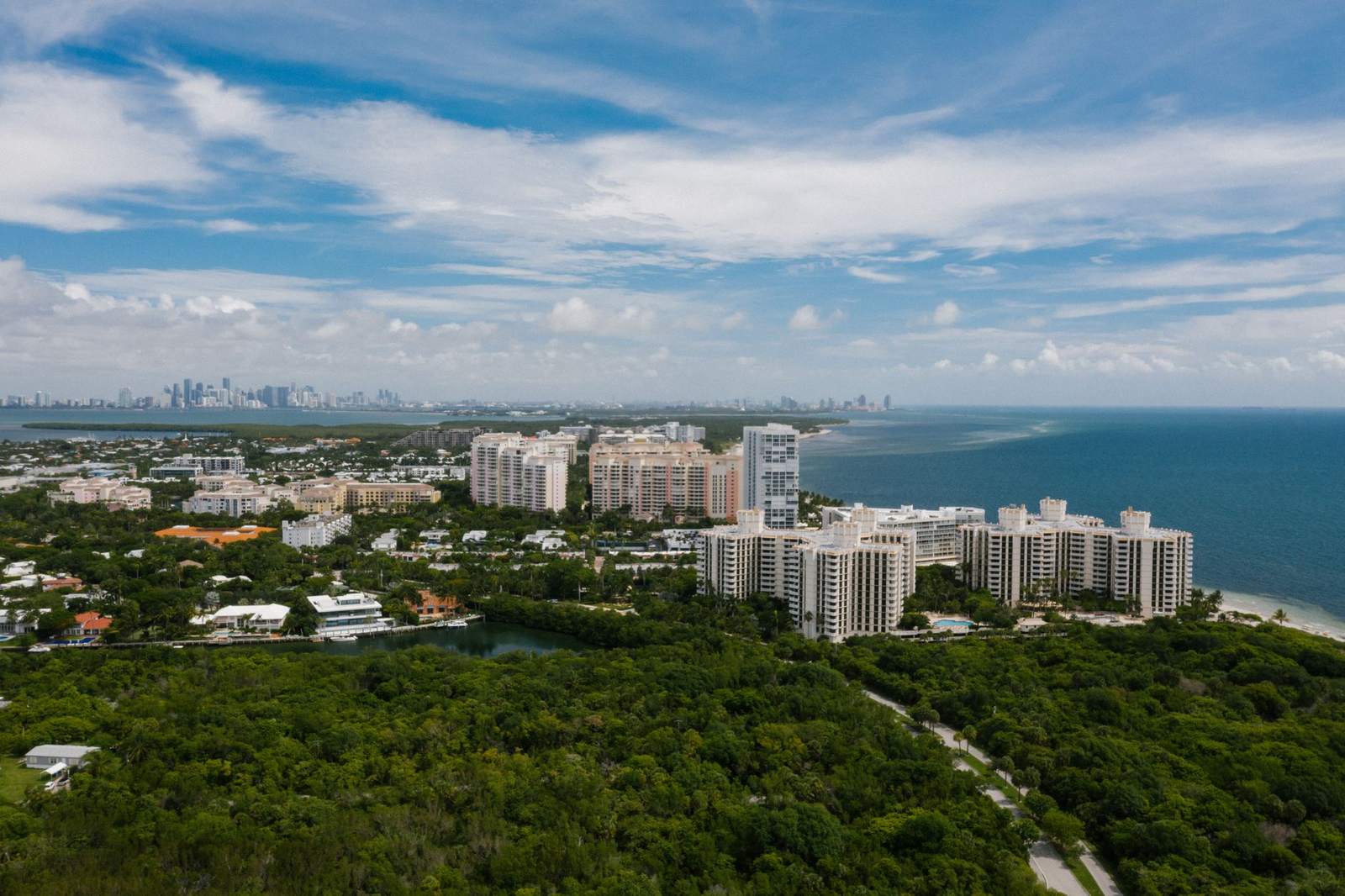
For a month-by-month picture of heat, rain and sea conditions, see miami beach weather by month. For a deeper look at storm timing and what to expect, the guide to miami beach hurricane season covers it.
Evacuation, if it ever comes, may start early. The city warns that a decision to evacuate tourists could be made 72 hours before the weather begins to deteriorate, and that hotels are likely to be evacuated first, according to its emergency preparedness guidance.
Flooding, king tides and what the city does about it
Flooding is part of island life, and the city runs programs for it. Its King Tide Flood Relief Parking Program gives eligible residents temporary free parking in three municipal parking facilities when street flooding may occur from high tides. The program page says the free parking applies only while an active flood notification is in place.
To qualify, your property must be in an area where the street elevation is low enough to flood. According to that same city page, this is typically 2 feet or less above mean sea level, and the city publishes a map so you can check your address.
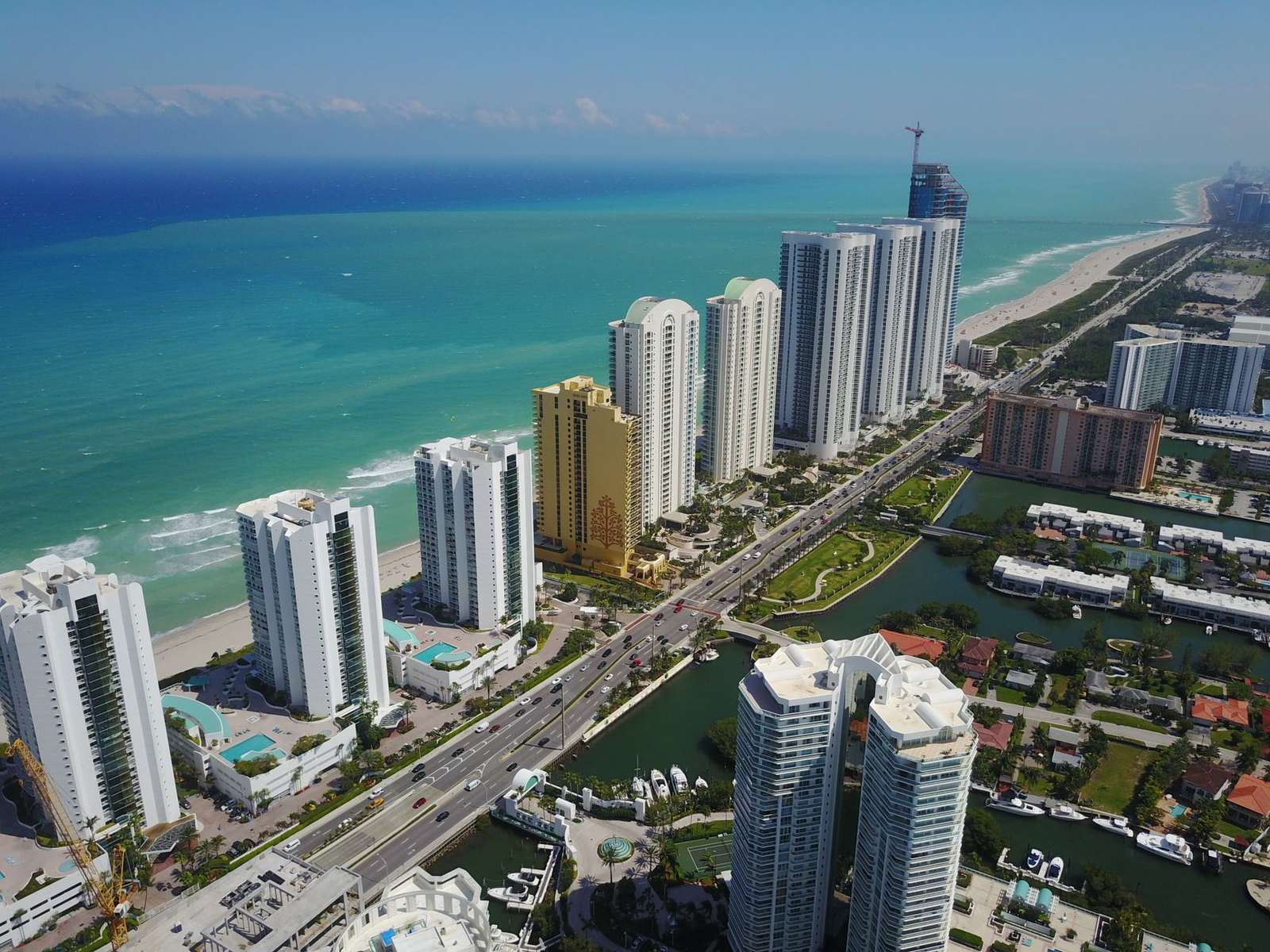
Heavy rain brings a second kind of help. When the National Weather Service issues a Flood Warning, the city opens public parking garages to residents, who need proof of residency or employment when exiting.
If a Flash Flood Warning is issued, the city’s two designated towing companies, Beach Towing and Tremont Towing, offer a $50 tow for residents to any location within city limits. The flood warning page adds that the vehicle registration address must match the driver’s license.
Parking and getting around
Parking is one of the first practical questions for anyone moving here. The city’s parking menu lists a Residential Parking Program, a North Beach Registered Residents Parking Pilot Program and a Citywide Scooter & Motorcycle Parking Permit, as shown on the city parking page.
The same menu points to electric vehicle charging stations, garage rates and meter rates. For a plain-language walk-through, see miami beach parking.
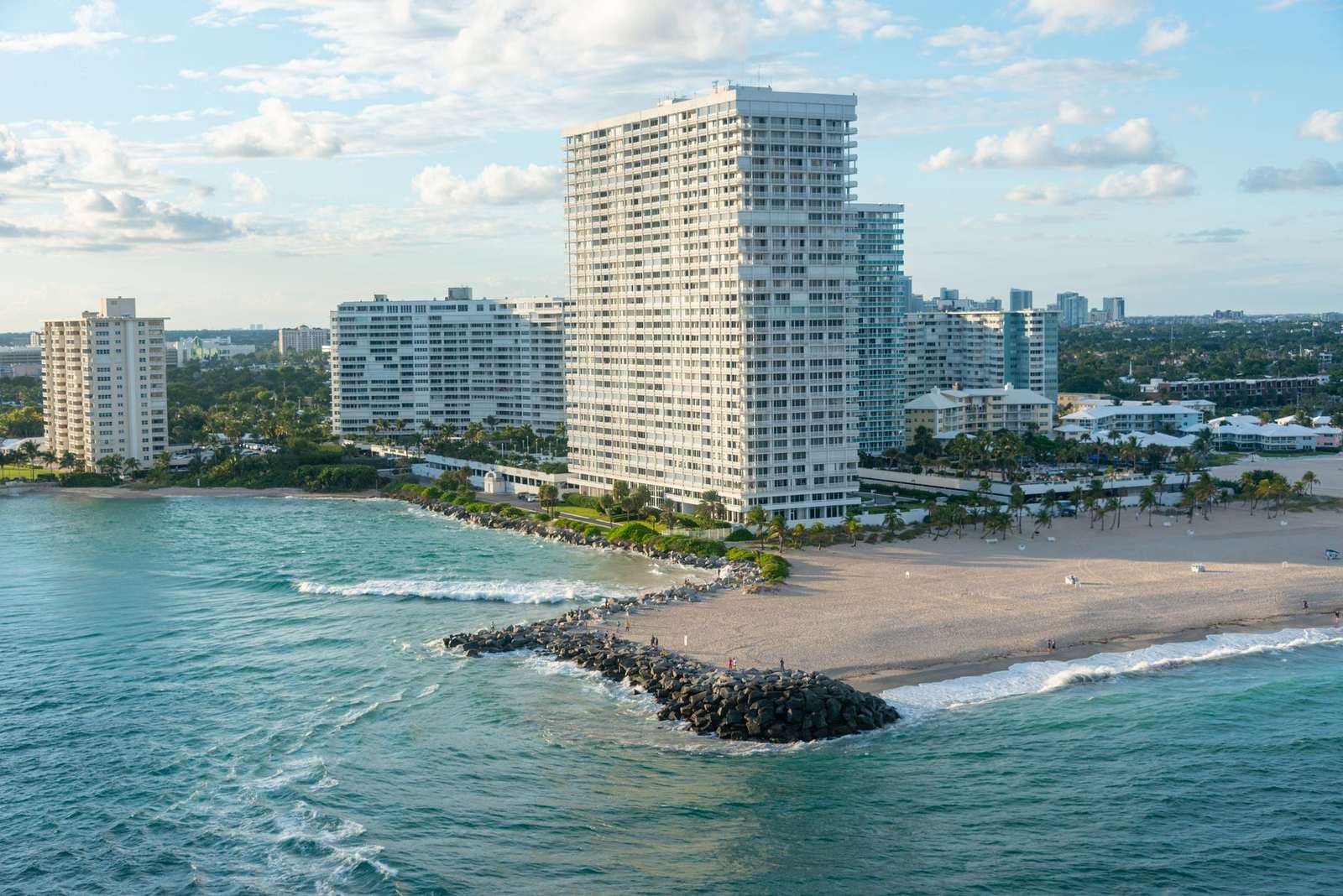
Some residents decide a car is optional. The guide to getting around miami beach without a car explains how that works in practice.
Storms change the parking picture too. When a Tropical Storm Warning or Hurricane Warning is issued, or an evacuation order is given, residents may bring vehicles to specified municipal garages on a first-come, first-served basis, but the city notes that you park at your own risk.
Parks, culture and evenings out
The city’s October 2024 storm notice gives a useful snapshot of what residents use day to day. It names pools at Normandy, Flamingo and Scott Rakow, the Miami Beach Golf Club and Normandy Shores Golf Club, Flamingo Tennis Center and Miami Beach Tennis Center, plus the Miami Beach Botanical Garden, the Wolfsonian FIU and the Bass Museum, all in the city’s Hurricane Milton updates.
Evenings are a separate chapter. The miami beach nightlife districts guide maps where the late-night energy is, which helps if you want to live close to it or well away from it.
If your idea of a good night is a flight of local pints, read about craft beer in miami beach. For weekend plans that are not about beer, the roundup of things to do in miami beach has more.
Building a household plan
The city urges residents and businesses to develop a disaster preparedness plan before an emergency strikes. Based on the city’s preparedness guidance, a sound plan covers these points:
- Know where you will stay when you evacuate, how you will get there and what supplies you will take.
- Pack an emergency kit with a minimum of three days of food and water for each member of your household.
- Consider the needs of elderly and infant family members and pets.
- If you have a boat, plan to move it when a hurricane is likely, even before a Hurricane Watch is issued, because bridges may be locked down if you wait too long.
Residents who need skilled nursing care, rely on electrically powered medical equipment or need help with daily living can join the Miami-Dade County Emergency Evacuation Assistance Program. To request an application, call 311, as described on the city’s preparedness page. The program won’t call you if you are not registered, so sign up before a storm.
Frequently asked questions
When is hurricane season in Miami Beach?
Show answer
The city says it runs from June 1 to November 30 each year, with the height typically from late August to mid-October, per its emergency preparedness page.
Does Miami Beach flood?
Show answer
Low-lying streets can flood during king tides and heavy rain. The city runs a free king tide parking program for residents on streets typically 2 feet or less above mean sea level.
Can residents use city garages during a flood warning?
Show answer
Yes. The city opens public garages to residents and employees when the National Weather Service issues a Flood Warning, and proof of residency or employment is required when exiting, per the flood warning page. Non-residents may use any available city garage, but standard rates still apply, according to the city’s October 2024 storm notice.
Would hotels be evacuated before residents?
Show answer
The city says hotels are likely to be evacuated first so tourists can return home or move out of a storm’s path. Its emergency page calls such a decision very rare.