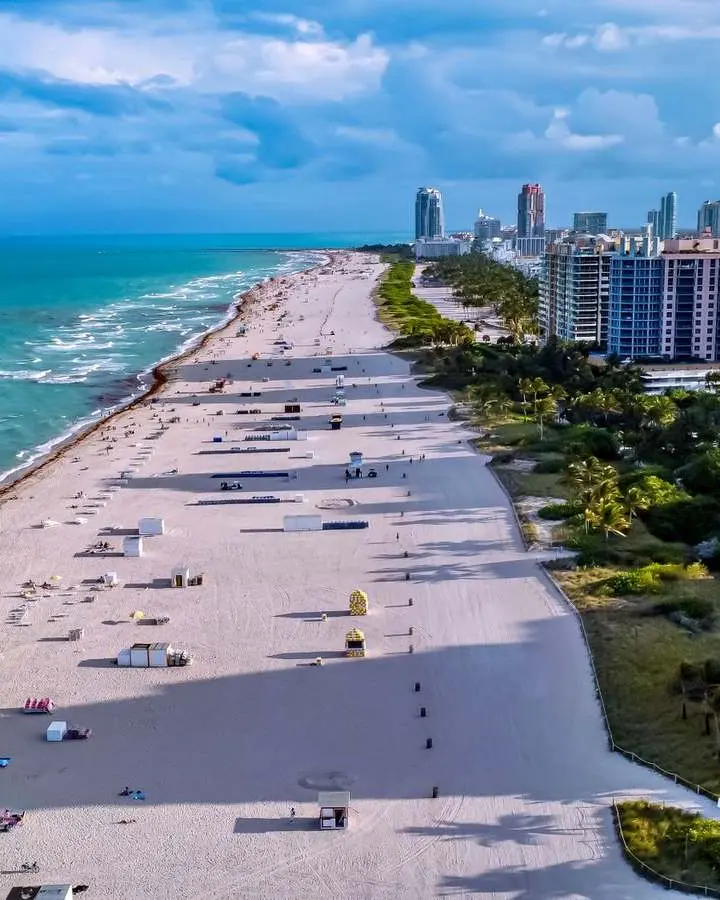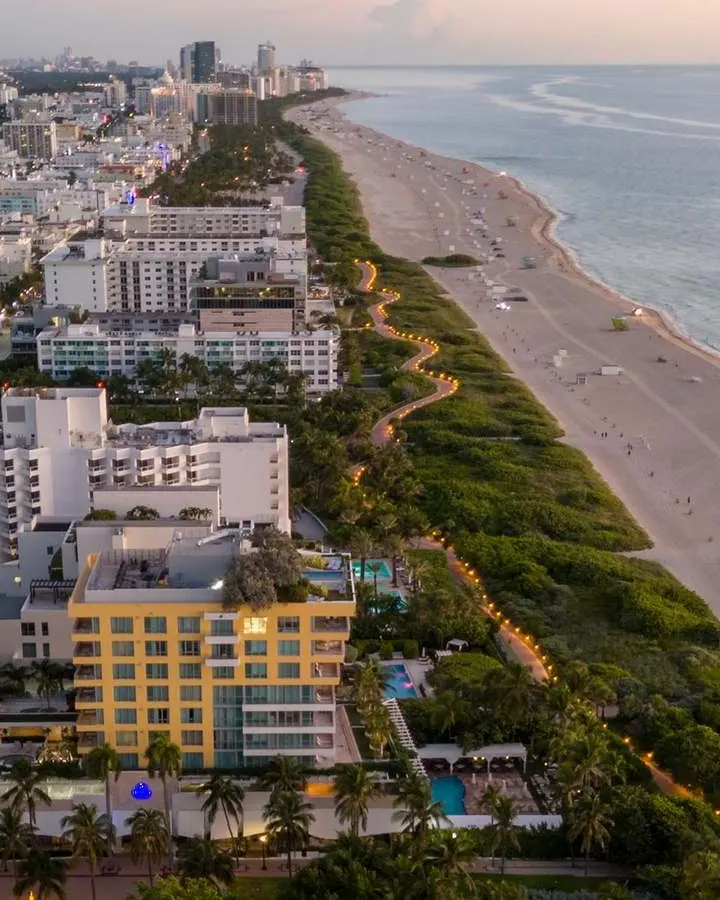
Trying to choose among Miami Beach neighborhoods? You can split the city into three sections by street number: South Beach, Mid-Beach and North Beach.
For the wider picture, read the guide to living in miami beach, then come back to compare the areas.
| Item | Value |
|---|---|
| South Beach | 5th-41st Streets |
| Mid-Beach | 41st-79th Streets |
| North Beach | 79th-87th Streets |
| Land area of the city | 7.7 square miles |
| Art Deco District | one square mile |
| Population (2021) | 83,469 |
These figures come from a City of Miami Beach community profile. Street ranges and statistics can change, so check the source before you rely on them.
How locals divide Miami Beach into three sections
The city profile says longtime residents divide the city into three distinct geographic sections. The ranges follow street numbers from south to north.
- South Beach: 5th-41st Streets
- Mid-Beach: 41st-79th Streets
- North Beach: 79th-87th Streets
That makes the street number a handy shortcut when you read a listing or a map. The same profile puts the northern boundary at 87th Terrace, on a main island approximately seven miles long.
South Beach: the busy southern end
At the southern end of the city, South Beach is famed as a destination for models and celebrities, with nightlife centered on Ocean Drive, according to the city profile. If you want to be near the action, this is the section to study first.
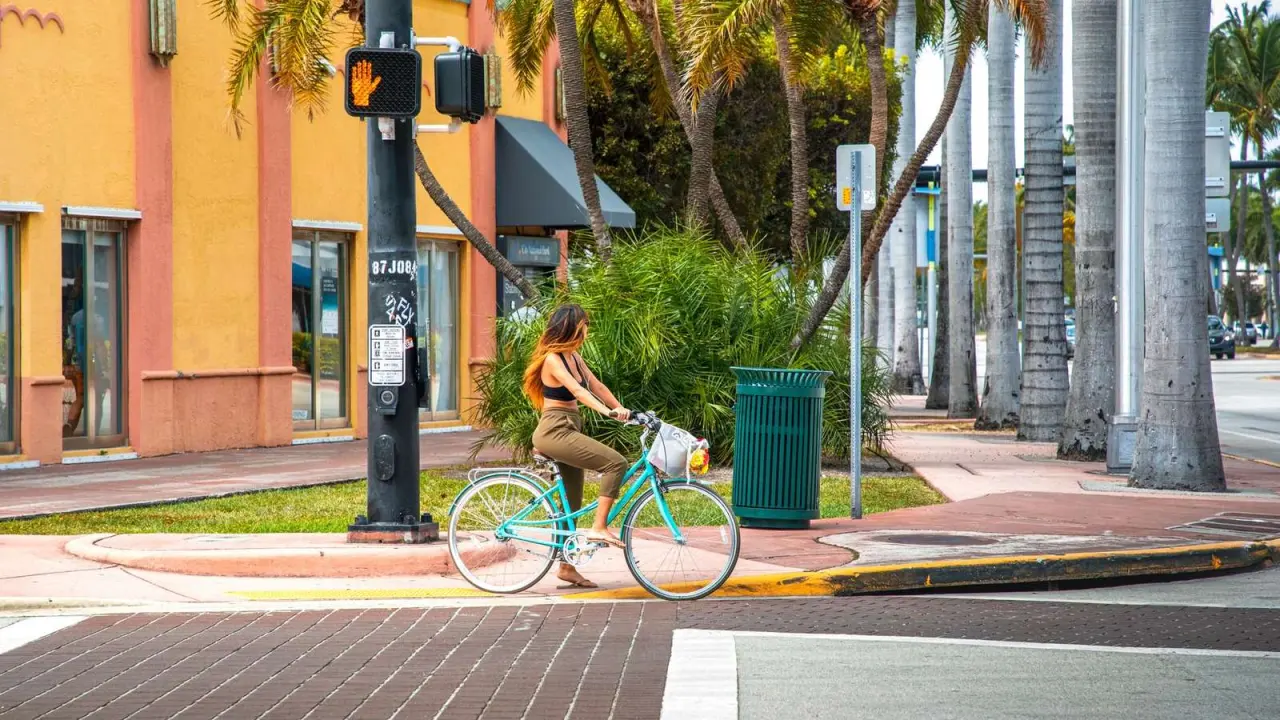
The same profile says South Beach has seen the greatest expansion of any section. It also describes the area as one of the most pedestrian-friendly communities in the county.
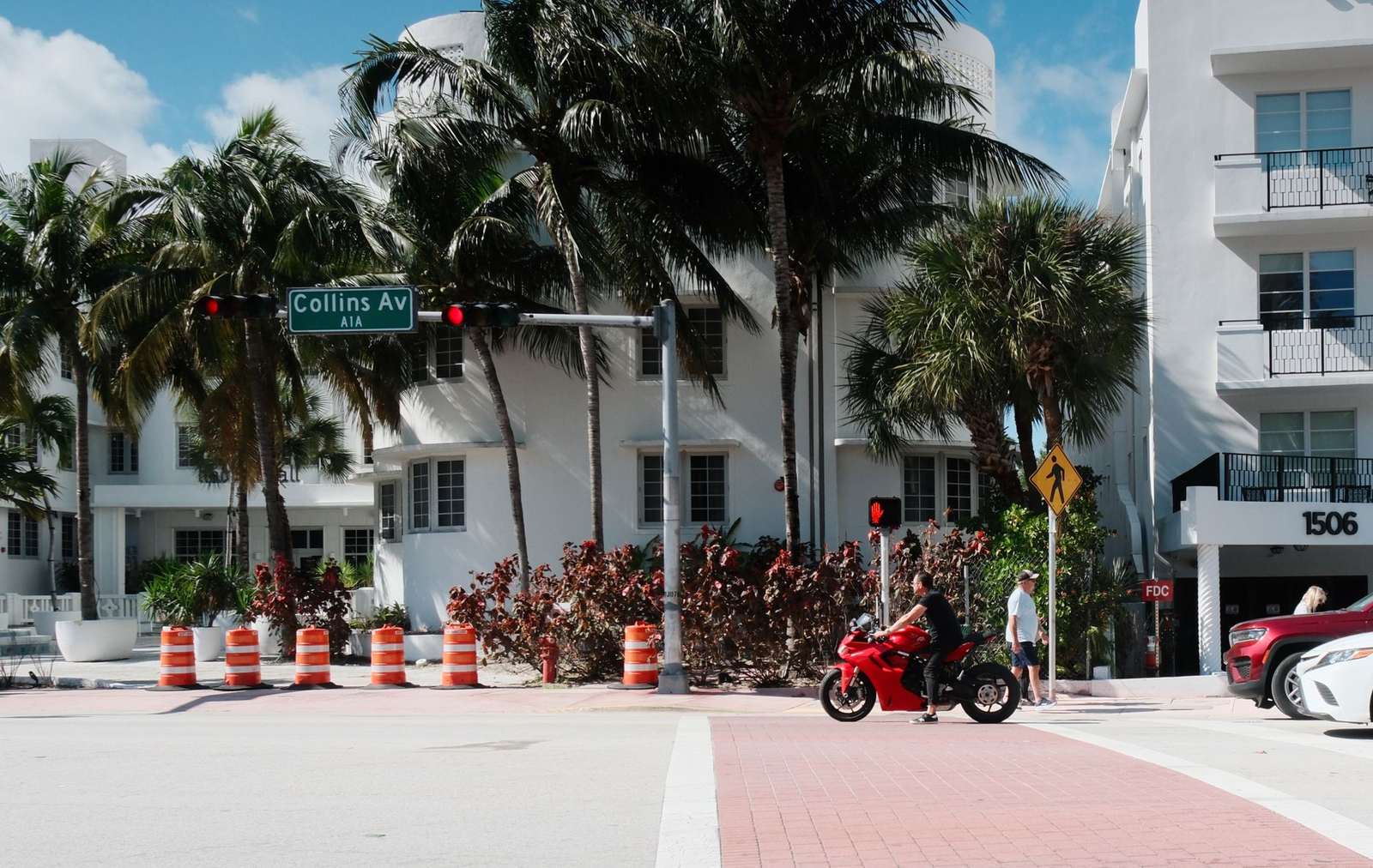
South Beach also holds the Art Deco District. The profile says the National Register of Historic Places has designated one square mile of land as the Miami Beach Architectural District. Its buildings share a consistent scale and style because they went up between 1923 and 1945 under a small number of developers.
Mid-Beach and North Beach: what the profile says
The profile defines Mid-Beach as 41st-79th Streets and North Beach as 79th-87th Streets. It gives these two sections far less description than South Beach, so you will need other sources for block-by-block detail.
One useful fact about the north: the city has a North Beach Community Redevelopment Agency. It serves the northern district, where a portion of the incremental growth in property taxes is allocated to community revitalization.
If you want the three sections set against each other, the guide to south beach vs mid beach vs north beach sets them side by side.
Why neighborhoods inside each section feel different
The three sections are divided still further into neighborhoods defined by natural barriers and restricted access, says the city profile. Water and limited entry points shape where one area ends and the next begins.
Part of that pattern comes from human-made islands created by dredging Biscayne Bay. The profile lists these as part of that territory:
- Star, Palm and Hibiscus Islands
- The Sunset Islands
- Much of Normandy Isle
- All the Venetian Islands except Belle Isle
The profile also names a central district, the City Center, formally the Historic Convention Village Redevelopment and Revitalization Area. It is bounded by 24th Street on the north, West Avenue on the west, 14th Lane on the south and the Atlantic Ocean on the east.
The shape of the city has its own backstory. The profile notes the peninsula became an island in April of 1925 when Haulover Cut was opened, and the history of miami beach gives the longer story.
Who lives in Miami Beach? A snapshot from 2021
As of 2021, Miami Beach had a population of 83,469, a median age of 41.7 and a median household income of $59,162, per the city profile. The population fell from 89,439 in 2020, a decrease of 6.67%.
The same profile reports a median property value of $450,700 and a homeownership rate of 35.9% for 2021. In that year 55.1% of residents were born outside the US, against a national average of 13.6%.
Those numbers describe the whole city, not one section. Treat them as background, and check local data for the street you are considering.
How to choose among Miami Beach neighborhoods
The source gives you the map, not a verdict, so the choice comes down to your own priorities. Work through these steps:
- Decide how much nightlife and foot traffic you want. South Beach is the section tied to Ocean Drive nightlife.
- Check the street range of any address so you know which section it sits in.
- Look at the map for water, bridges and restricted access, since barriers define the smaller neighborhoods.
- Compare the section against your budget, using the citywide property value and homeownership figures only as a rough backdrop.
Remember the city’s role as a visitor draw. The city profile says Miami Beach accounts for more than half of tourism to Miami-Dade County. It also hosts the annual Art Basel Miami Beach art show and is home to the New World Symphony, whose New World Center was designed by Frank Gehry.
Frequently asked questions
What are the main Miami Beach neighborhoods?
Show answer
Longtime residents split the city into South Beach (5th-41st Streets), Mid-Beach (41st-79th Streets) and North Beach (79th-87th Streets). Each section is divided further into smaller neighborhoods.
Is South Beach walkable?
Show answer
The city profile describes it as one of the most pedestrian-friendly communities in the county. That is a general description, so check your specific street.
Where does Miami Beach end in the north?
Show answer
The profile gives the northern boundary as 87th Terrace.
How many people live in Miami Beach?
Show answer
As of 2021 the population was 83,469, according to the city profile. Population figures change, so check the source for newer numbers.