Staring at a tap list and wondering about IPA vs pale ale? The IPA is the stronger, hoppier, more bitter beer; pale ale is lighter and more balanced, with less bitterness and alcohol.
If you are exploring craft beer in miami beach, this guide helps you read a menu with more confidence.
| Item | Value |
|---|---|
| American IPA alcohol by volume | 5.5% to 7.5% ABV |
| American Pale Ale alcohol by volume | 4.5% to 6.2% ABV |
| American IPA bitterness | 40 to 70 IBUs |
| American Pale Ale bitterness | 30 to 50 IBUs |
| American IPA color | 6 to 14 SRM |
| American Pale Ale color | 5 to 10 SRM |
These figures come from the Beer Judge Certification Program (BJCP) pages for American IPA and American Pale Ale. Style guidelines can be revised, so check the source before you rely on them.
How do IPA and pale ale differ in strength and bitterness?
The BJCP’s 2021 guidelines describe American IPA as stronger and more highly hopped than American Pale Ale. In numbers, an American IPA runs from 5.5% to 7.5% ABV, while an American Pale Ale sits at 4.5% to 6.2% ABV, according to the IPA entry and the pale ale entry.
Bitterness follows the same pattern. The same guidelines put an IPA at 40 to 70 IBUs and a pale ale at 30 to 50 IBUs, so the IBU (international bitterness unit) range for IPA reaches well past the top of the pale ale range.
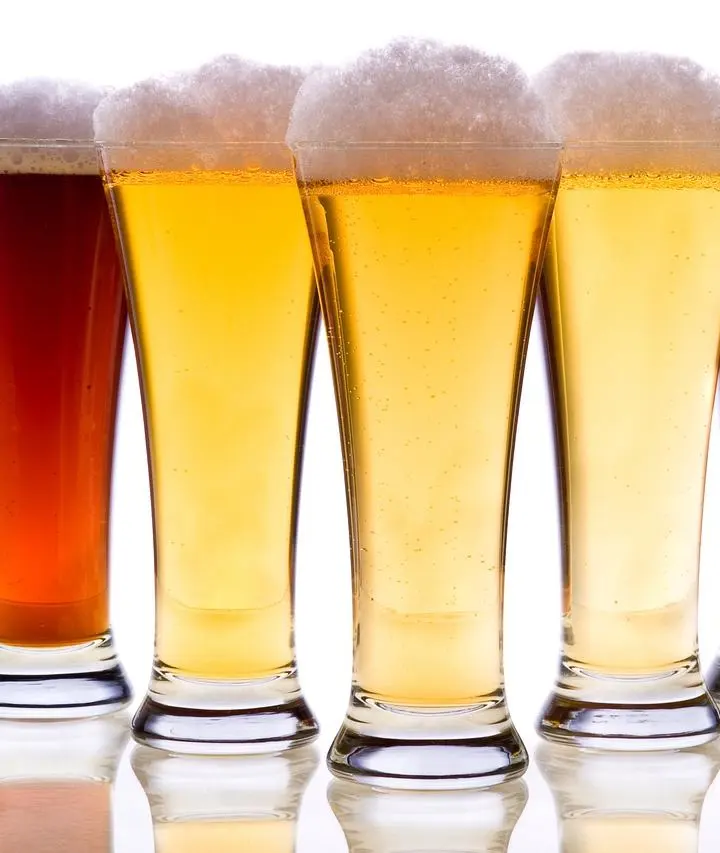
Color is a weaker clue. An IPA spans 6 to 14 SRM and a pale ale 5 to 10 SRM, so the two overlap and you cannot reliably judge a beer by its shade alone.
What do they taste and smell like?
Both styles lean on American or New World hops, which can smell of citrus, pine, resin, tropical fruit or berry. The difference is mostly one of intensity: the guidelines call for a prominent to intense hop aroma in an IPA and a moderate to moderately-high one in a pale ale.
| Trait | American IPA | American Pale Ale |
|---|---|---|
| Hop aroma | Prominent to intense | Moderate to moderately-high |
| Bitterness | Medium-high to very high | Moderate to high |
| Finish | Dry to medium-dry | Medium to dry |
| Body | Medium-light to medium | Medium-light to medium |
| Color | Medium gold to light reddish-amber | Pale golden to amber |
This comparison draws on the BJCP’s American IPA and American Pale Ale style entries.
Malt plays a different role in each. The pale ale is described as having supporting malt that keeps the beer balanced and drinkable, while the IPA uses clean malt mainly to let the hop character shine through.
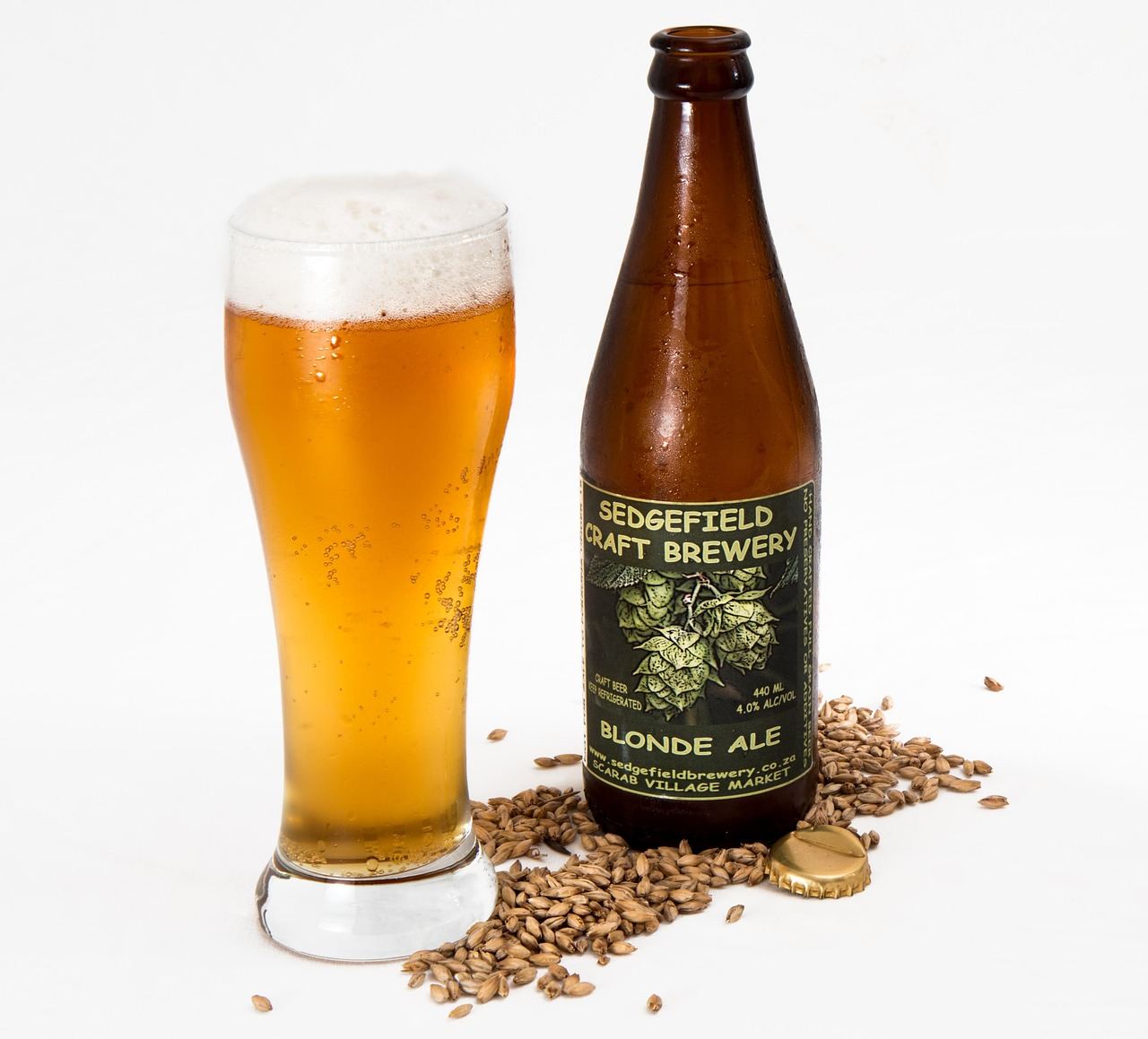
In the glass, that usually means the pale ale feels easier and rounder, while the IPA feels sharper and more bitter on the finish.
Where do the two styles come from?
Both are American craft adaptations of older English beers. The first modern American IPA is generally believed to be Anchor Liberty Ale, first brewed in 1975 using whole Cascade hops, according to the BJCP’s IPA history notes.
The pale ale story starts a few years later. Sierra Nevada Pale Ale was first made in 1980 and helped popularize the style, and before IPAs took off it was the most well-known and popular of American craft beers, per the BJCP’s pale ale entry.
There is a neat twist here. The BJCP notes that Anchor Liberty Ale now tastes more like an American Pale Ale in comparison, because the IPA style has evolved beyond that original beer.
Do the names always mean what they say?
Not always. The BJCP explains that the term “IPA” is not spelled out as “India Pale Ale” since none of these beers historically went to India, and many are not pale, as the IPA category introduction says.
The BJCP also admits the line between the styles is soft: modern American pale ales are often just lower gravity IPAs. Its guidelines are described as guidelines, not specifications, so a brewery can label a beer however it likes.
You will meet several IPA relatives on a menu:
- West Coast IPA: a dry, sharply bitter, clear beer that the BJCP calls really just a type of American IPA.
- Double IPA: a stronger variation built on the American IPA.
- Session IPA: a lower-strength IPA that is still more hop-focused and bitter than a pale ale.
- Specialty IPA: a competition entry category rather than a distinct style, for IPAs with a minor tweak.
The BJCP says the guidelines are guidelines, not specifications, so treat any label as a starting point.
How do you choose between them at the tap?
Start with what you want from the first sip. A pale ale suits you if you prefer hop flavor with a more balanced, easier-drinking malt backbone, and an IPA suits you if you want bold hop aroma and a bitter, dry finish.
- Ask for a small pour of each and compare them side by side.
- Check the ABV on the menu, since higher alcohol often signals an IPA-style balance.
- Notice the finish: lingering bitterness points toward the IPA end.
For reference, the BJCP lists Bell’s Two-Hearted Ale as a commercial example of American IPA and Deschutes Mirror Pond Pale Ale as one of American Pale Ale. Those are neutral examples of each style, not recommendations.
A wider look at the types of beer styles shows where both beers sit among lagers, stouts and sours. Once the glass arrives, a guide on how to taste craft beer can help you notice aroma, bitterness and finish.
Frequently asked questions
Is pale ale just a weaker IPA?
Show answer
Partly. The BJCP says modern American versions are often just lower gravity IPAs, but a pale ale is also described as maltier, more balanced and more drinkable than an IPA.
Which one is more bitter?
Show answer
The IPA. The guidelines call for medium-high to very high bitterness in an American IPA, against moderate to high in an American Pale Ale.
Did IPAs really travel to India?
Show answer
The BJCP says none of the beers in its IPA category historically went to India, which is why it writes “IPA” without spelling out the name.
Can you tell them apart by color?
Show answer
Not reliably. An IPA ranges from medium gold to light reddish-amber and a pale ale from pale golden to amber, so the shades overlap.