You’ve seen the word on a menu and wondered what is a brewpub. It’s a restaurant that brews its own beer and sells 25 percent or more of it on-site, with real food service.
For the wider local picture, read the guide to craft beer in miami beach.
| Item | Value |
|---|---|
| Brewpub: share of beer sold on-site | 25 percent or more |
| Brewpub: food service | Significant food services |
| Taproom brewery: share sold on-site | 25 percent or more, with no significant food services |
| Microbrewery: size and sales split | Less than 15,000 barrels per year, 75 percent or more sold off-site |
| Regional brewery: annual production | Between 15,000 and 6,000,000 barrels |
| Buffalo Bill’s Brewery (Hayward, California) opened | September 9, 1983 |
These figures come from the Brewers Association market segments page and Wikipedia’s craft beer entry. Definitions and thresholds can change, so check the source before you rely on them.
The Brewers Association definition of a brewpub
The Brewers Association defines a brewpub as a restaurant-brewery that sells 25 percent or more of its beer on-site and operates significant food services, as laid out on its craft beer industry market segments page. The association is a US trade group, and it names six segments in all: microbreweries, brewpubs, taproom breweries, regional breweries, contract brewing companies and alternating proprietors.
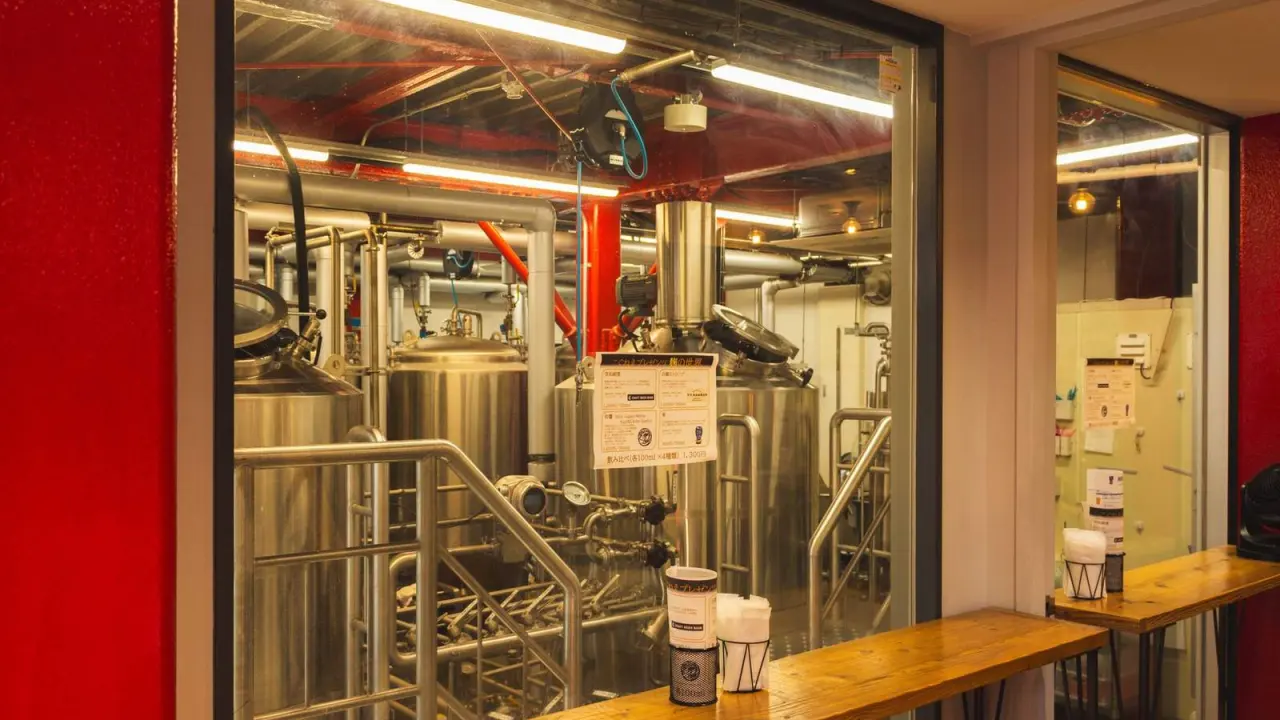
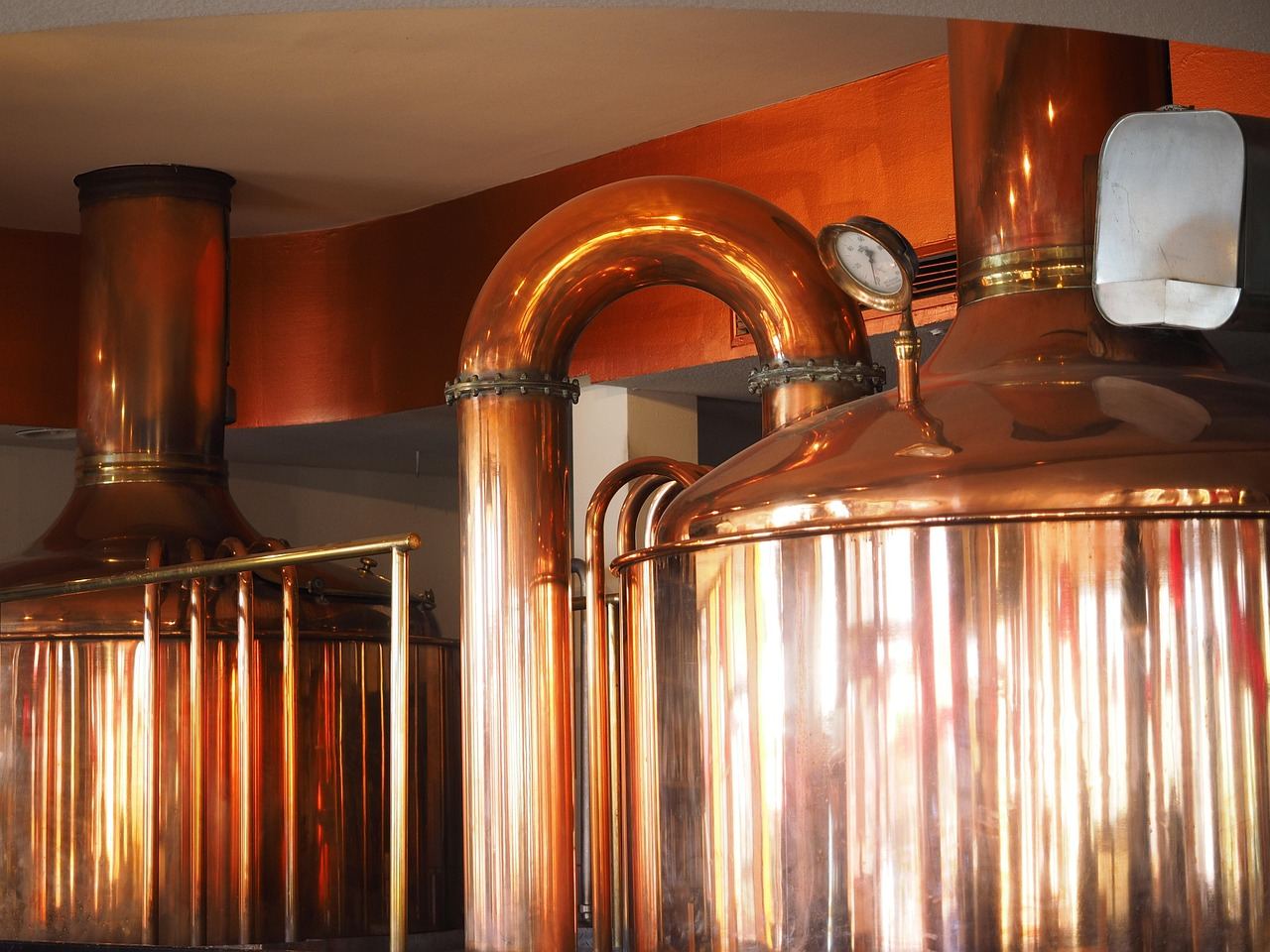
The same page says a brewpub’s beer is brewed primarily for sale in the restaurant and bar. It is often dispensed directly from the brewery’s storage tanks, which keeps the brewing and the dining room closely tied together.
A plainer definition on Wikipedia calls a brewpub a pub that brews its own beer for sale on the premises. The word itself combines the ideas of a brewery and a pub.
Put together, a brewpub comes down to a short checklist:
- It brews its own beer, rather than only buying it in.
- It sells a meaningful share of that beer on-site.
- It runs a real kitchen, not just snacks.
Brewpub vs taproom brewery
The closest neighbour is the taproom brewery. The Brewers Association describes it as a professional brewery that sells 25 percent or more of its beer on-site and does not operate significant food services, in the same segment list.
So the on-site sales share is identical, and food is what separates the two. If the place is built around a full kitchen, it fits the brewpub model; if it is built around the beer and the tanks, it fits the taproom model.
Both types often sell beer to-go and may supply off-site accounts where the law allows it. For a fuller side-by-side, see this comparison of brewpub vs taproom vs brewery.
Brewpub vs bar vs microbrewery
A bar that only pours beer made elsewhere is not a brewpub, because the defining feature is brewing on the premises. A brewpub is a hybrid: a brewery and a pub or restaurant under one roof.
A microbrewery points the other way. The Brewers Association describes it as a brewery that produces less than 15,000 barrels of beer per year and sells 75 percent or more of its beer off-site, per its segment definitions.
Larger operations sit in the regional brewery segment, with annual production of between 15,000 and 6,000,000 barrels. Where the brewpub sells mostly to the people sitting in front of it, those bigger breweries sell mostly through other channels.
Where brewpubs came from
According to Wikipedia, the term first gained prominence in California in the early 1980s. A change in the law is a big part of the story.
- In 1982, Assembly Bill 3610, authored by Assemblyman Tom Bates, allowed brewers to sell directly to consumers if food was served.
- The legislation was signed into law on January 1, 1983, paving the way for brewpubs in California.
- Buffalo Bill’s Brewery in Hayward opened on September 9, 1983, as one of the first modern brewpubs in the United States.
Its founder, Bill Owens, tried to trademark the word “brewpub,” but it had already entered common usage. The idea is older than the label, too: Wikipedia’s page shows smoked beer from the Schlenkerla brewpub in Bamberg, Germany.
How to spot a brewpub when you walk in
The definition gives you a few things to look for. None of them is a guarantee on its own, but together they tell you what kind of place you are in.
- Beer made on-site: look for the brewing tanks, and for beer poured straight from them.
- A full food menu: a brewpub is a restaurant-brewery, so the kitchen matters as much as the taps.
- Beer to take home: where the law allows it, brewpubs often sell beer to-go.
Once you know how the place works, picking a pour is easier. If the heat is the deciding factor, this guide to the best beer for hot weather can help you choose a style.
Frequently asked questions
Is a brewpub the same as a taproom?
Show answer
No. Both sell 25 percent or more of their beer on-site, but the Brewers Association says a taproom brewery does not operate significant food services, while a brewpub does.
Does a brewpub have to serve food?
Show answer
Under the Brewers Association definition, yes: a brewpub operates significant food services. That is the feature that separates it from a taproom brewery.
Can you buy beer to take home from a brewpub?
Show answer
Often, where the law allows it. The Brewers Association says brewpubs often sell beer to-go and may distribute to off-site accounts where allowed by law.
Where did the word “brewpub” come from?
Show answer
It is an abbreviated term that combines the ideas of a brewery and a pub. It gained prominence in California in the early 1980s, after a 1982 law allowed brewers to sell directly to consumers if food was served.