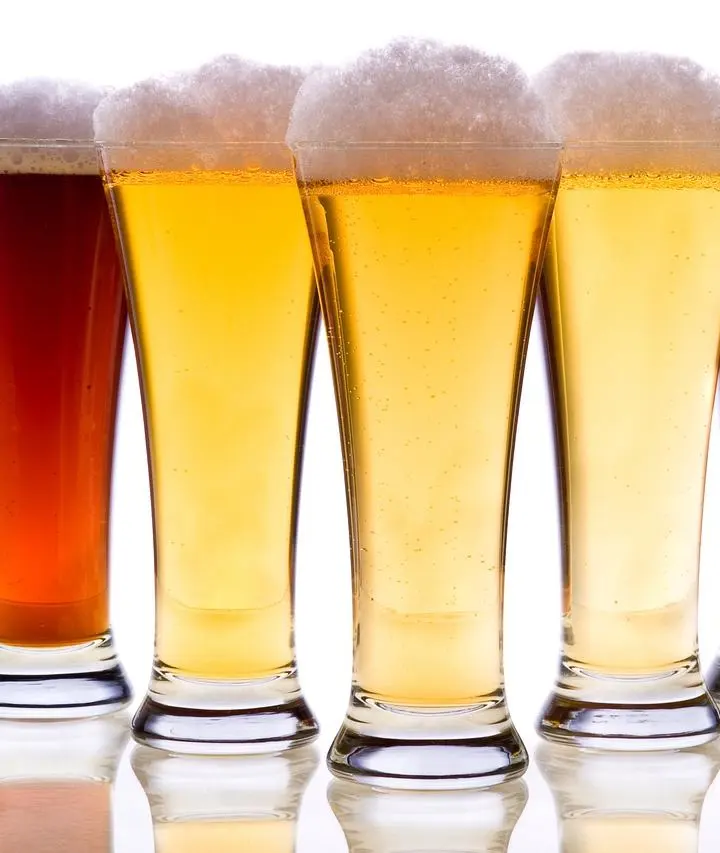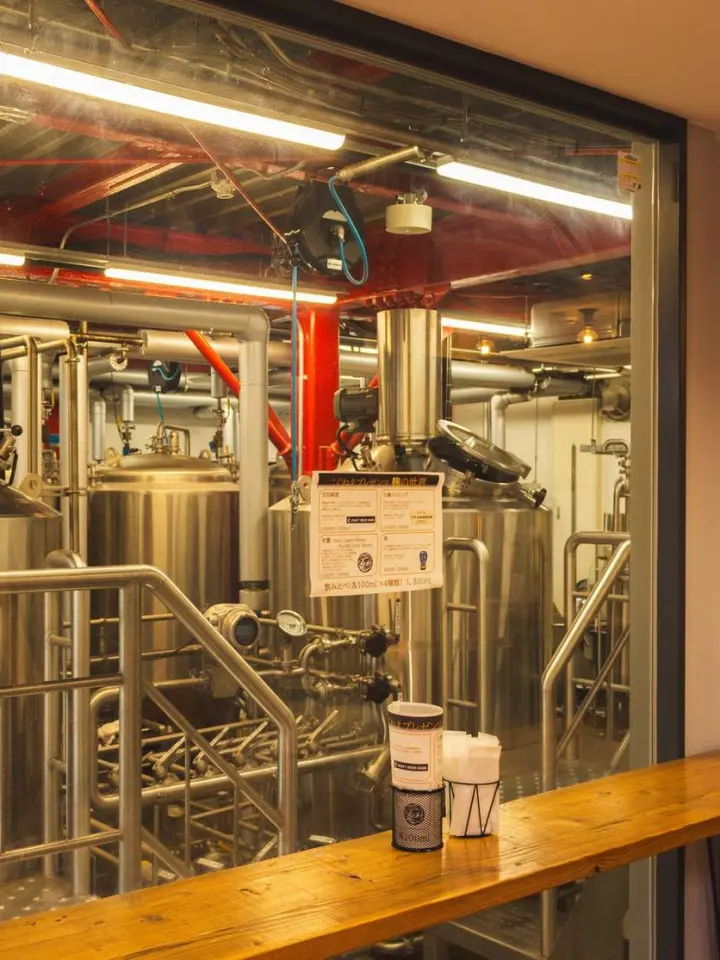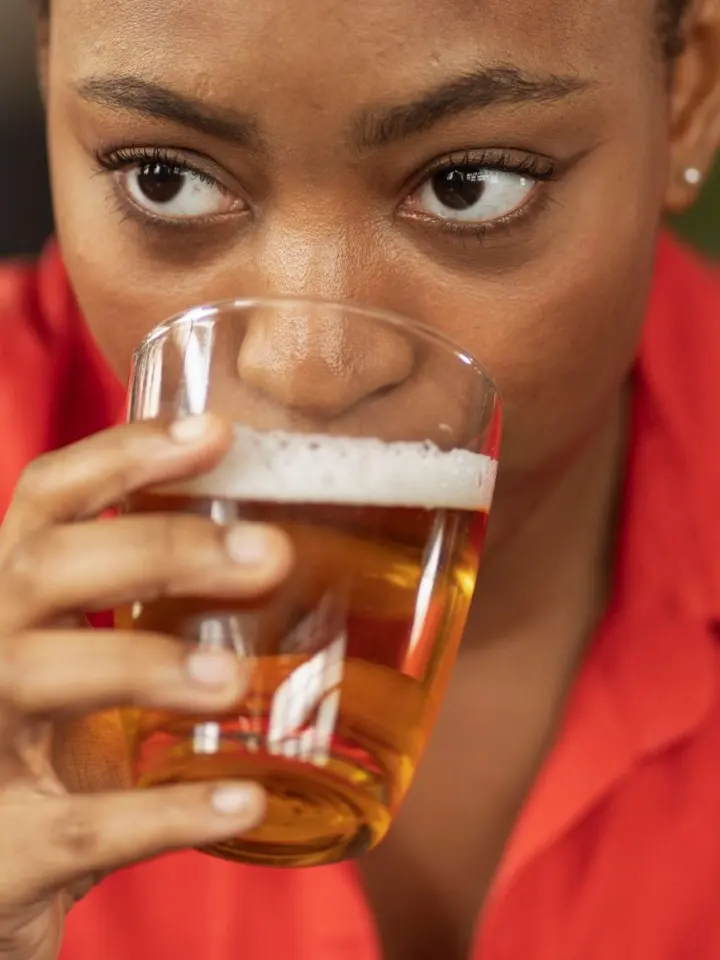
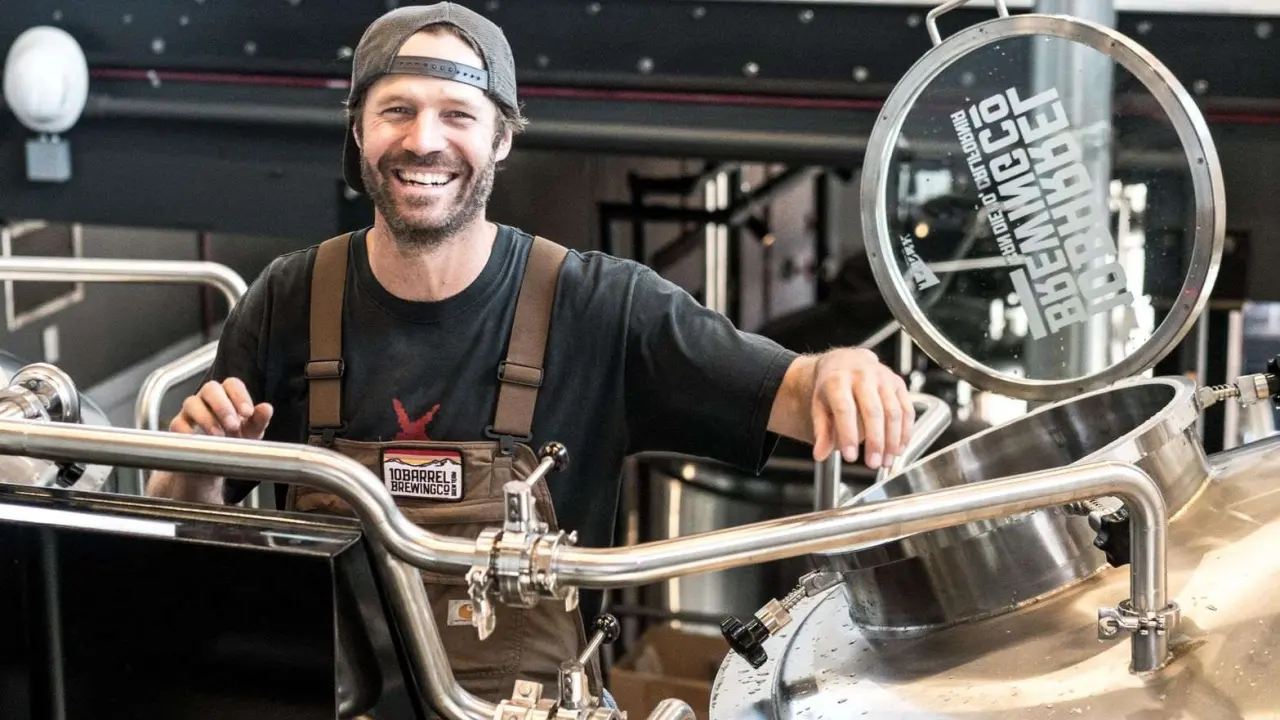
You’re sipping a pint and asking: how is beer brewed? Grain is malted, mashed, boiled with hops, cooled, fermented with yeast, then carbonated and packaged. Each step below is explained in plain words.
If you are exploring craft beer in miami beach, knowing the process makes every brewpub visit and tasting easier to follow.
| Brewing stage | Typical value |
|---|---|
| Malting, whole process | 7 to 9 days |
| Mash soak time | About an hour |
| Wort boil | About an hour |
| Wort temperature when yeast is added | 60-70°F (15-21°C) |
| Fermentation | 1-2 weeks |
| Conditioning | Three to 12 days |
These figures come from Beer Canada and Homebrew Academy. Times and temperatures change with the brewery and the style, so check the sources before you rely on them.
The four ingredients in every beer
Brewing is the process of making beer, a fermented alcoholic drink made from grains, as Brew Your Own explains. It describes beer as four ingredients put through four steps: malt, hops, yeast and water, then malting, mashing, boiling and fermenting.
- Malt: grain prepared for brewing, most often barley, which supplies the sugar the yeast eat and so sets the strength of the beer.
- Hops: they add the bitterness that balances the sweetness of the malt.
- Yeast: it turns the sugar into alcohol and carbon dioxide.
- Water: Brew Your Own notes that most beers are over 90% water by volume.
Barley is the most common grain, though wheat, rye, oats and sorghum are also used. At a brewery, the brewmaster chooses the mix of malts, hops and yeast, plus the temperatures and times, according to Beer Canada.
Malting and milling: preparing the grain
Malting begins when grain is soaked in water until it germinates and releases enzymes that turn starch into sugar. IFT’s Food Technology Magazine says germination continues for up to six days before the grain goes into a kiln, and Beer Canada puts the whole malting process at 7 to 9 days.
The kiln dries the grain so it can be stored for long periods, and it also develops the malt flavors and aromas that brewing later extracts, per Brew Your Own. Most brewers buy finished malt from a maltster rather than malting their own grain.
Next the malt is milled to crack the kernels open. IFT notes this is typically done dry with roller mills or hammer mills, and that germination conditions and roasting times strongly influence beer flavor and color.
Mashing, sparging and lautering: making wort
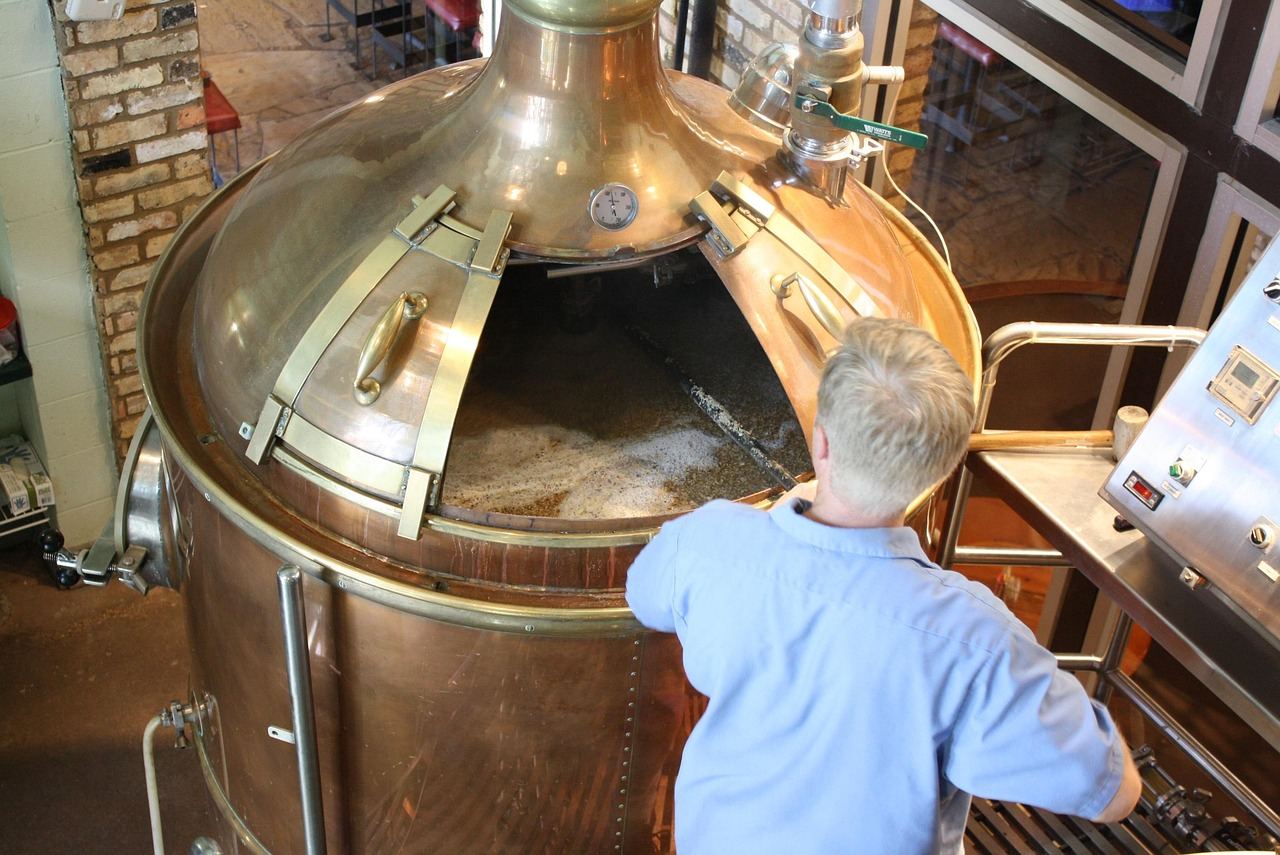
In mashing, the milled grain is mixed with warm water in a vessel called a mash tun to form a porridge-like mixture. Homebrew Academy says the malt is soaked in hot water for about an hour to release its sugars.
The main sugar produced is maltose, according to Brew Your Own. Some brewmasters add corn or rice at this point to make the beer lighter in body and flavour, as Beer Canada describes.
The sweet liquid is then collected in three moves:
- The grains are rinsed with hot water, called sparging, to extract the rest of the sugar.
- The liquid is separated from the spent grains, called lautering.
- The liquid, now called wort, moves on to the boil kettle.
The spent grains are either discarded or repurposed for animal feed or compost, according to Beer Canada.
Boiling, hopping and cooling
In the kettle, wort is boiled, and Homebrew Academy says a typical boil lasts about an hour. Boiling sanitizes the wort and helps make the finished beer more stable, as Brew Your Own explains.
Hops go in during the boil, and timing matters: the stage at which they are added changes the character of the finished beer. Spices or fruit may also be added in the boil, per Beer Canada.
After the boil, the wort is cooled quickly, typically with a heat exchanger that uses cold water or glycol. Beer Canada gives typically around 60-70°F (15-21°C) as the range for adding yeast, because wort that is too hot can kill or damage it.
This is also the moment for careful sanitation. Homebrew Academy warns that once the wort is no longer at extreme temperatures, it is extremely susceptible to contamination from any micro-organisms that may be around.
Fermentation: where yeast makes the beer
Once the wort is cool, yeast is added. The yeast consume sugars from the malt and convert them to alcohol and carbon dioxide, as Brew Your Own describes.
How long this takes depends on the beer. The sources give different ranges:
- Homebrew Academy says fermentation usually takes 1-2 weeks.
- Beer Canada says it typically lasts several days to several weeks, depending on the style and desired alcohol content.
- Brew Your Own says stronger beers or lagers can ferment for up to months.
There are two basic categories of yeast, per Beer Canada. Lager yeast settles to the bottom of the fermenter, while ale yeast rises to the top, and most beer types are ales.
For how those yeasts shape flavor, see our guide to types of beer styles.
Conditioning, carbonation and packaging
After fermentation the beer rests in the fermenter or moves to another vessel for conditioning, usually three to 12 days, according to Beer Canada. During this time the beer matures and clarifies as remaining yeast and particles settle out.
Beer then needs its fizz. Homebrew Academy describes two routes: directly injecting carbon dioxide, or adding a small amount of sugar to the bottles so leftover yeast carbonate the beer naturally.
Packaging comes last. A commercial brewery will can, keg or bottle its beer, and Beer Canada adds that beer can be filtered, carbonated and/or pasteurized, but not every beer goes through all of these.
The same steps apply at home. Homebrew Academy says homebrewers perform the exact same steps as a commercial brewery, just on a much smaller scale, and Brew Your Own says starter kits start at around $60 (US).
Whether a venue does this brewing on site is a separate question, covered in brewpub vs taproom vs brewery.
Frequently asked questions
What are the main steps in brewing beer?
Show answer
The usual order is malting, milling, mashing, lautering, boiling with hops, cooling, fermenting, conditioning and packaging. Small breweries and homebrewers follow the same sequence on a smaller scale.
What is wort?
Show answer
Wort is the solution of water, malt sugars and other substances from the malt, also called unfermented beer, according to Brew Your Own. It becomes beer once yeast ferments it.
Why is wort boiled?
Show answer
Boiling sanitizes the wort and helps make the finished beer more stable. It is also when hops are added to give bitterness, flavor and aroma.
What is the difference between ale and lager?
Show answer
It comes down to the yeast. Lager yeast settles to the bottom of the fermenter and ale yeast rises to the top, according to Beer Canada.
Can you brew beer at home?
Show answer
Yes. Homebrew Academy says homebrewers perform the same steps as a commercial brewery, using more easily attainable equipment.