Wondering about brewpub vs taproom vs brewery before you pick a spot? A brewpub brews and serves real food, a taproom pours its beer without significant food, and “brewery” is the umbrella term.
This guide sits inside the wider topic of craft beer in miami beach, so use it to decode the signs and menus you meet.
| Item | Value |
|---|---|
| Brewpub | Sells 25 percent or more of its beer on-site and operates significant food services |
| Taproom brewery | Sells 25 percent or more of its beer on-site and does not operate significant food services |
| Microbrewery | Under 15,000 barrels of beer per year, with 75 percent or more sold off-site |
| Regional brewery | Between 15,000 and 6,000,000 barrels per year |
| Craft beer industry market segments | Six |
These definitions come from the Brewers Association market segments page, which carries a 2026 copyright notice. Definitions and figures can change, so check the source before you rely on them.
What counts as a brewery?
The word brewery is the broad one: a professional place that makes beer. Brewpubs and taprooms are both breweries, just built around different ways of selling what they brew.
The Brewers Association defines a craft brewer as a small and independent brewer, and its market segments page lists six segments, as of the 2026-dated version of that page (source). They are:
- Microbreweries
- Brewpubs
- Taproom breweries
- Regional breweries
- Contract brewing companies
- Alternating proprietors
Only the first four are the kinds of place you are likely to walk into. If you want to see what happens inside those tanks, a guide on how is beer brewed walks through the steps.
Brewpub: the brewery with a kitchen
In the Brewers Association’s wording, a brewpub is a restaurant-brewery that sells 25 percent or more of its beer on-site and operates significant food services (source). Wikipedia puts it more simply: a brewpub is a pub that brews its own beer for sale on the premises (source).
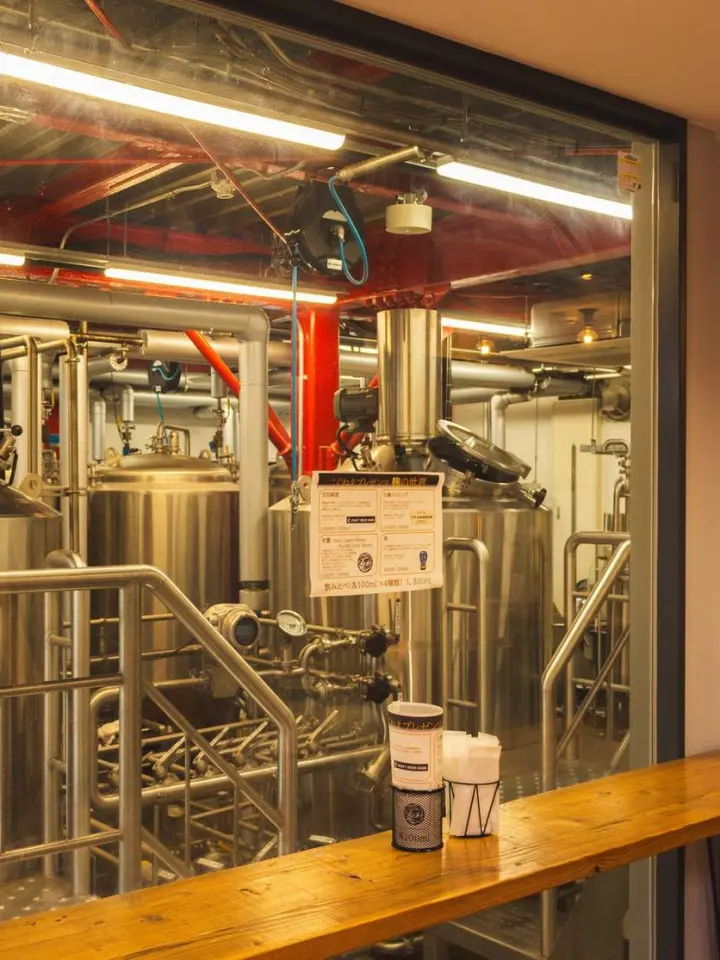
The beer is brewed primarily for sale in the restaurant and bar, and it is often dispensed directly from the brewery’s storage tanks. Where allowed by law, brewpubs often sell beer to-go and distribute to off-site accounts, so check local rules before you assume you can take a growler home.
For a closer look at the format, read this explainer on what is a brewpub.
Taproom brewery: the beer-first room
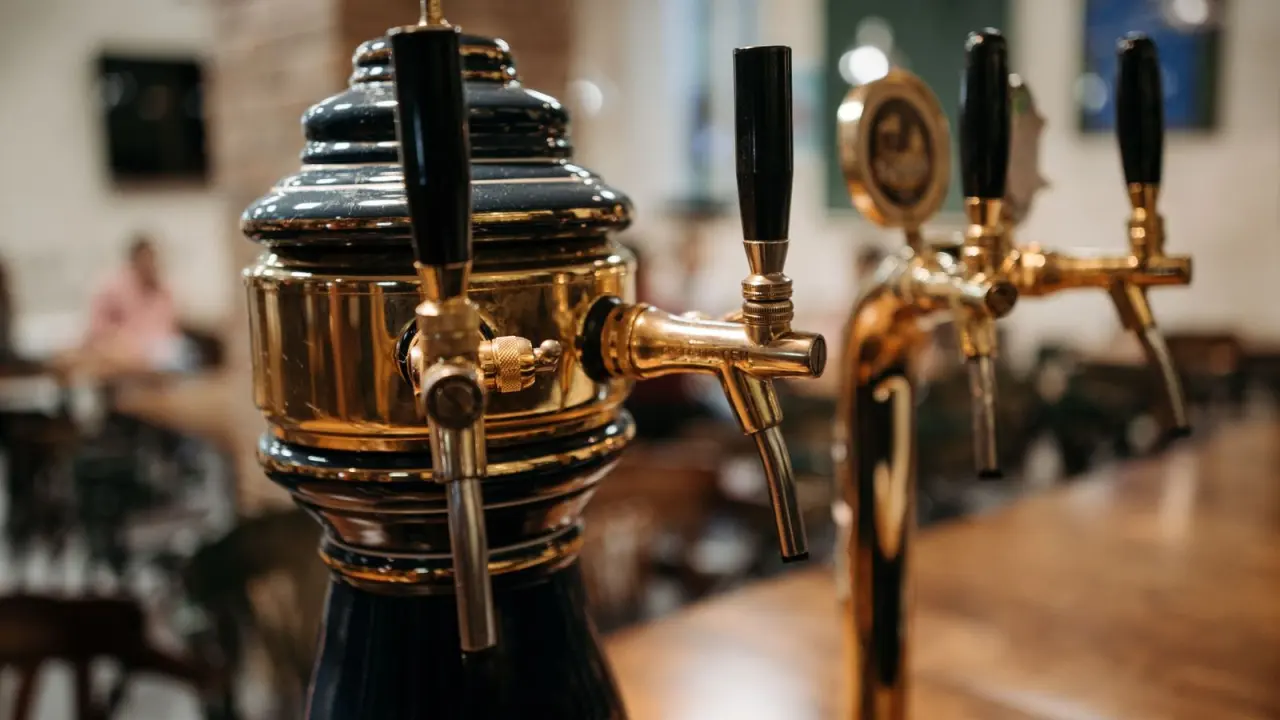
A taproom brewery is a professional brewery that sells 25 percent or more of its beer on-site and does not operate significant food services (source). The beer is brewed primarily for sale in the taproom and is often poured straight from the storage tanks.
Notice that the on-site sales threshold is the same as the brewpub’s. The dividing line between the two is food, not beer.
- Brewpub: brewing plus a real kitchen and a restaurant-style menu.
- Taproom brewery: brewing plus a room for pouring, without significant food services.
- Both: beer made on site and often served from the tanks.
Where do microbreweries and regional breweries fit?
A microbrewery is defined by size and sales channel rather than by where you drink: it produces less than 15,000 barrels of beer per year and sells 75 percent or more of its beer off-site (source). Some sell directly to the public through carry-outs or an on-site taproom or restaurant.
The microbrewery label spread fast. Wikipedia reports 205 microbreweries in the US in 1995 and 420 in 2000 (source).
A regional brewery is bigger: annual production of between 15,000 and 6,000,000 barrels (source). The last two segments are business arrangements more than venues. A contract brewing company hires another brewery to produce its beer, while an alternating proprietor is a licensed tenant brewery that physically takes possession of a shared brewery while brewing.
A short history of the brewpub
Wikipedia credits Buffalo Bill’s Brewery in Hayward with popularizing the concept; it opened on September 9, 1983, as one of the first modern brewpubs in the United States (source). That is a neutral historical example, not a recommendation.
The law mattered. Assembly Bill 3610, passed in 1982, allowed brewers to sell directly to consumers if food was served, and it was signed into law on January 1, 1983, according to the same page (source). That food requirement is a useful clue to why the brewpub and the restaurant are so closely tied.
How to tell them apart when you walk in
Venues sometimes use these words loosely on signs and websites, so look at what the place actually does. A quick check:
- Look at the menu. A full kitchen and meals point to a brewpub; snacks, food trucks or outside food point to a taproom.
- Look for tanks. Beer poured straight from storage tanks is typical of both formats.
- Ask where the beer goes. A place that sells most of its beer off-site is closer to a microbrewery.
- Ask about to-go beer. Rules differ by location, so a staff answer beats an assumption.
Whichever label is on the door, the beer is the point. Knowing the terms just helps you pick between a dinner stop and a quick pint.
Frequently asked questions
Is a brewpub the same as a taproom?
Show answer
No. Both sell 25 percent or more of their beer on-site, but a brewpub operates significant food services and a taproom brewery does not, per the Brewers Association’s 2026-dated page.
Can a brewpub sell beer to take home?
Show answer
Where allowed by law, brewpubs often sell beer to-go and distribute to off-site accounts. Local rules vary, so ask the venue.
Is a microbrewery the same as a taproom?
Show answer
Not exactly. A microbrewery is defined by producing less than 15,000 barrels per year and selling 75 percent or more of its beer off-site, while a taproom brewery sells 25 percent or more on-site.
How big is a regional brewery?
Show answer
The Brewers Association describes a regional brewery as one with annual production of between 15,000 and 6,000,000 barrels.