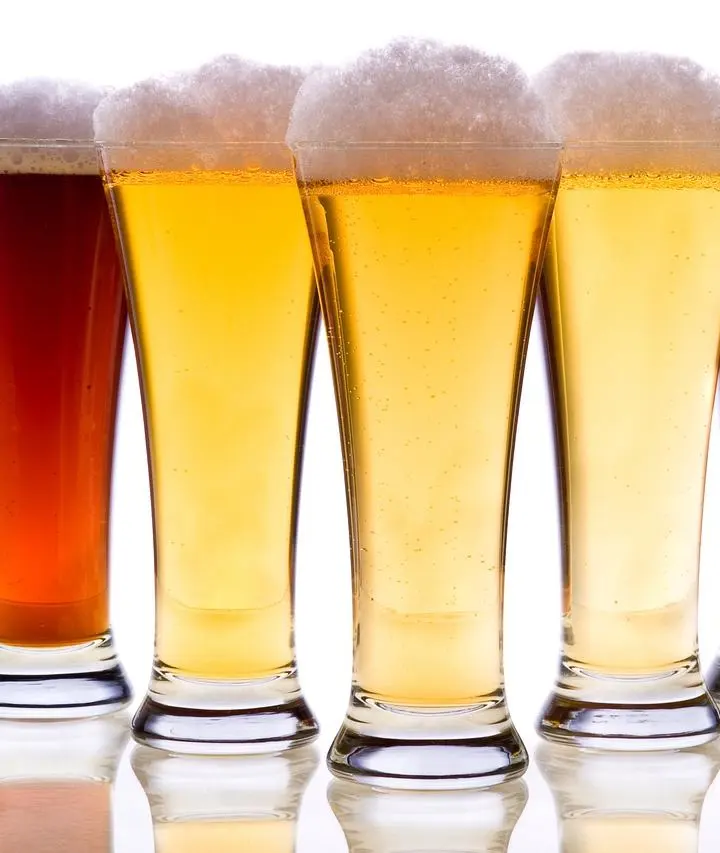
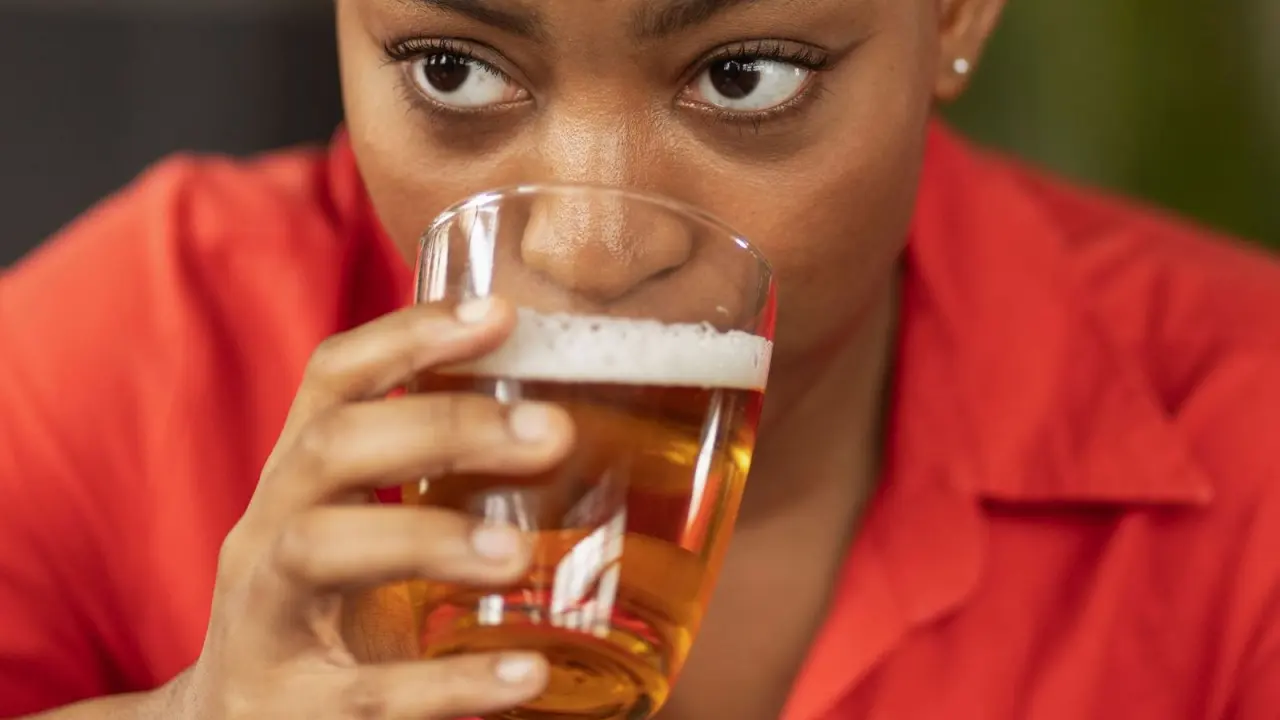
Not sure what you’re supposed to notice in that glass? Here’s how to taste craft beer: look at it, smell it right after pouring, then sip slowly and let the flavors build. Write down what you sense.
Planning a brewpub visit? Our guide to craft beer in miami beach is a good place to put these steps into practice.
| Tasting detail | Value |
|---|---|
| Pour size per beer for competition judges | 2-3 ounces |
| Beers per session (the sweet spot) | 7 beers |
| Evaluation temperature used by one professional taster | 55 °F (13 °C) |
| Sample in a covered brandy snifter | 2 ounces |
These figures come from Paste’s beginner’s guide to tasting beer and Brew Your Own’s evaluating beer tips. They can change, so check the sources before you rely on them.
Set up before you pour
Tasting beer should be fun. According to Paste’s beginner’s guide, it can be as simple as a drink with friends or as organized as a notebook and pen, and a clear goblet or wine glass will do so you can see the beer properly.
Keep a few things within reach:
- Water, to rinse your mouth and your glasses and to stay hydrated.
- A dump bucket, or just the kitchen sink, for beer you don’t finish.
- A notebook, if you want to record what you notice.
- Unsalted crackers, which one professional taster quoted by Brew Your Own uses along with water to cleanse the palate.
Keep your pours small. The same Paste guide says competition judges taste from 2-3 ounce pours, and that the sweet spot is seven beers because judges start to experience palate fatigue after seven.
Professionals also standardize their samples. In Brew Your Own, one taster describes two ounces of beer in a covered brandy snifter, a stemmed glass that allows gentle swirling and is wide in the bowl to capture volatile compounds.
That same taster evaluates at 55 °F (13 °C), a temperature recommended by the American Society of Brewing Chemists for full flavor perception. Treat it as a useful target rather than a rule for every glass.
The most important factor, in that taster’s words, is to be consistent with your method as you evaluate each beer.
Look: read the color, clarity and head
Pour so that the beer raises a head, as the Beer Judge Certification Program’s evaluation course advises, then look before you do anything else. Three things are worth noting:
- Color: try to name it specifically, such as golden, amber, copper, brown or black.
- Clarity: cloudy, turbid, clear, sparkling or opaque.
- Head: its color, bubble size and retention. Does it stand firmly or collapse quickly?
If you pour from a bottle, glance at it first. The BJCP’s “How to Judge Beer” treats rings around the bottle neck as a sign of contamination, and Paste notes that yeast sediment in a bottle-conditioned beer is yours to drink or leave.
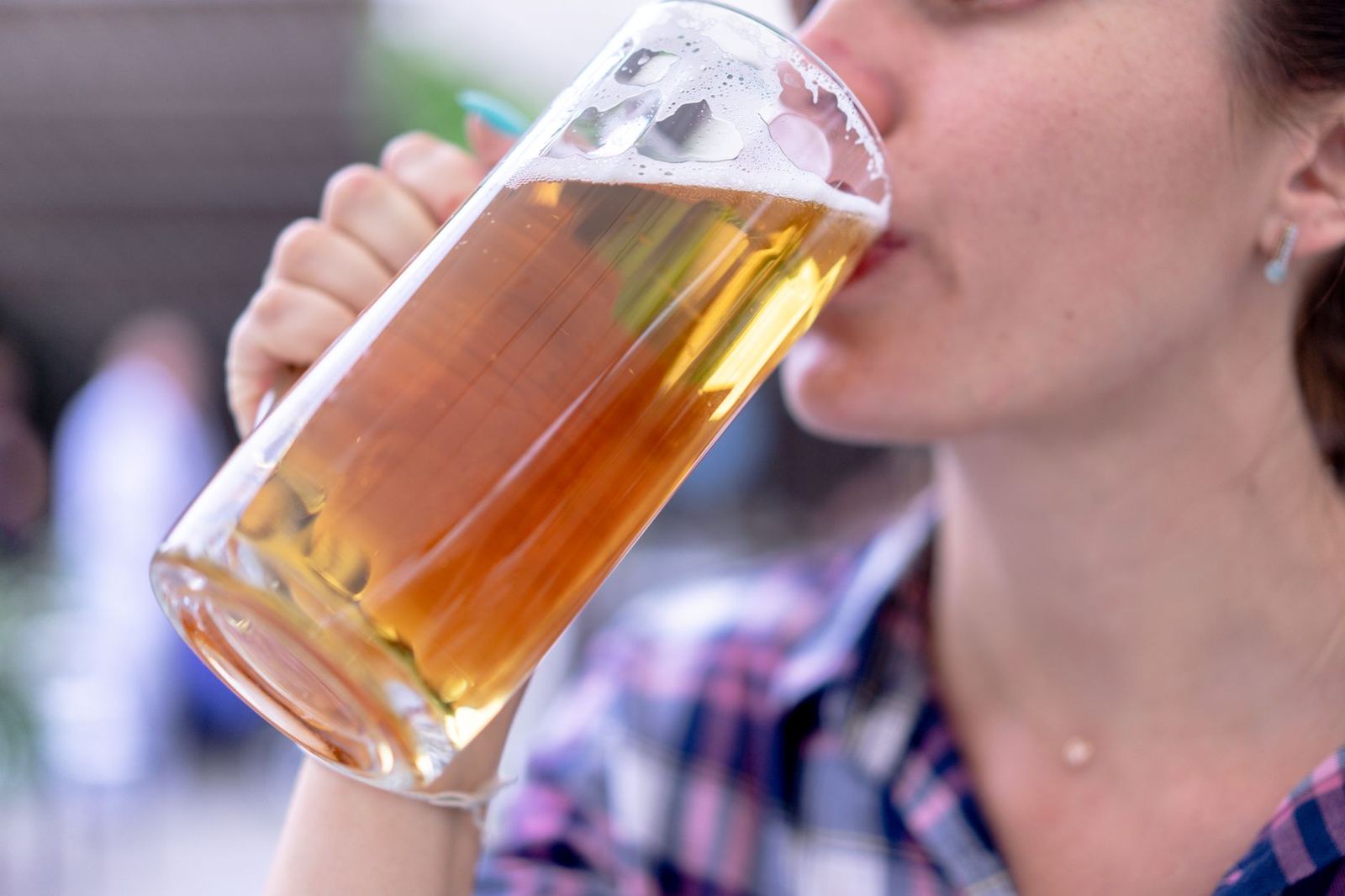
Whether a hazy pour is a problem depends on the beer. The BJCP’s guidance is to relate color and clarity to what the style calls for, rather than judging them in a vacuum.
Smell: sniff right after the pour
The BJCP says to sniff immediately after pouring to capture the aromatics. Paste explains why: some aromas, such as sulfur with its rotten-egg scent, dissipate within seconds, so waiting until you’ve admired the color may be too late.
Give the glass a swirl if the aromas are shy. Use long, deep sniffs or short, shallow ones, whichever works for you, but stay consistent from beer to beer.
Try to be specific about what you find. The BJCP’s cues break aroma into three groups:
- Malt: caramelly, toasty, roasty or burnt.
- Hops: fresh, floral, earthy or citrusy.
- Esters: fruits such as berries, cherries, pears or plums.
Also note what is missing. The BJCP gives the example that a German hefeweizen should have banana ester and clove phenolics, so those notes are expected there.
For a practice round, pour an ipa vs pale ale side by side and write down what the hops and malt smell like in each.
How do you sip and judge flavor and mouthfeel?
Now comes the first sip. Form an initial impression, then work through the steps below, which follow the BJCP’s guidance:
- Let the beer linger for a few seconds before swallowing.
- Name the flavors: malt, hops, fermentation character, sweetness, sourness.
- Note the finish as you swallow.
- Note the aftertaste a few seconds later.
- Check how the flavors stay in balance from start to finish.
Patience pays off. Paste quotes author Randy Mosher saying that certain tastes, such as bitterness, build more slowly than others, so don’t decide on the first second.
Then think about mouthfeel. The BJCP lists these things to assess:
- Body: thin, watery, medium, full or thick.
- Carbonation level.
- Alcoholic warmth.
- Astringency and other sensations.
You don’t need to hurry. The BJCP says an experienced judge should be able to complete an evaluation in about ten minutes, and the best beers stay in balance from the first sip through the aftertaste.
Common off flavors and what they smell like
Not every odd note is a mistake. One Brew Your Own taster points out that some are not always off flavors and are desirable at low levels only for certain styles. These are the ones the article lists:
- Diacetyl: buttery, from improper fermentation practices or microbial contamination.
- Isoamyl acetate: banana candy, a yeast by-product.
- DMS: canned corn or olives, developed during wort production or from microbial contamination.
- Papery notes: associated with staling and oxidation.
- Metallic: blood or penny, usually from water sources or unsanitary lines.
Banana shows up on both this list and the hefeweizen description above, which is a good reminder that style context decides whether a note belongs.
To learn these without buying a flavor standards kit, the same article suggests smelling and tasting foods that carry them, such as those with DMS or isoamyl acetate character.
Build your vocabulary and keep practicing
You don’t need to know the style first. The BJCP’s “bean soup” approach asks whether knowing the style changes what you smell, see, taste or feel, and answers that it does not, so record what you perceive in your own words and check the style guide afterward.
If you sense something but can’t name it, write that down too. Everyday foods help: Paste quotes one judge saying that everybody has had a tangerine, and remembering how it smells helps you pinpoint it in a glass.
Taste with friends when you can. The BJCP course notes that all palates are different, with different flavor thresholds for each flavor, so what one person catches another may miss.
Once your notes feel reliable, tasting with food is a natural next step, and beer and food pairing is a good way to keep sharpening the skill.
Frequently asked questions
Do I need to know the beer style before I taste it?
Show answer
No. The BJCP’s beginner approach is to record what you perceive first, then review the style guide to put words to anything you couldn’t place.
How much beer should I pour for a tasting?
Show answer
Competition judges use 2-3 ounce pours, and Paste’s source puts the sweet spot at seven beers before palate fatigue sets in.
Why smell the beer right after pouring?
Show answer
Some aromas, such as sulfur, fade within seconds. The BJCP recommends sniffing immediately so you don’t miss them.
What if I can’t taste what my friend tastes?
Show answer
That is normal. The BJCP course says palates differ in their flavor thresholds, and Paste uses cilantro as an extreme example: bright and fresh to some people, soapy to others.